
iDisclosure: WebRevealed GPU may earn a commission from qualifying purchases made through links on this page. This does not affect the price you pay or our recommendations. Full disclosure. As an Amazon Associate, SharpNet Solutions earns from qualifying purchases.
Coding & Developers
Coding & Developers — Local AI Coding Assistants and Agent Hosts
A coding assistant that reads your repo and stays on your hardware, and an agent host that runs 24/7 without a per-seat bill. Memory is the whole game here.
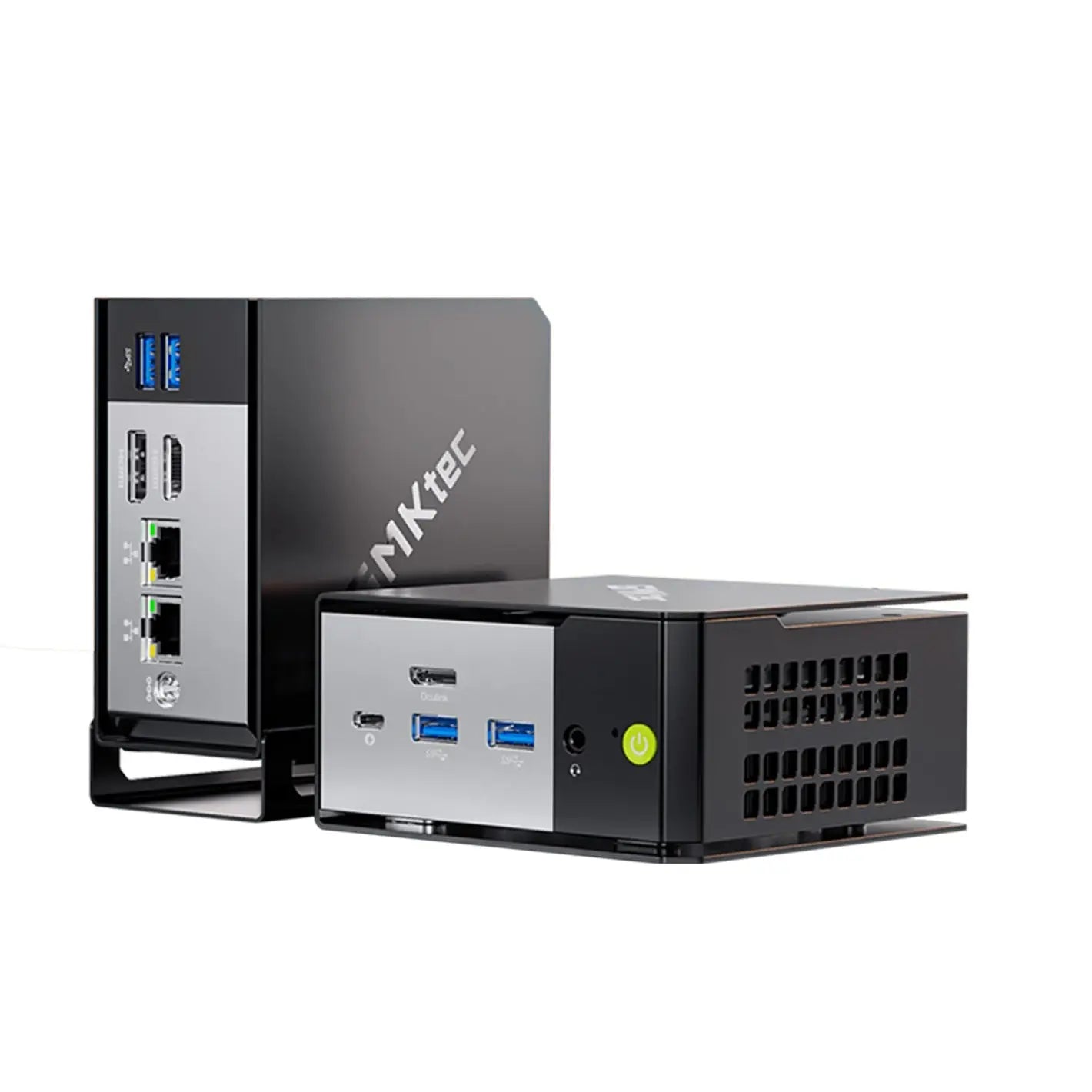
Featured: GMKTec EVO-X1 Pro
Who this is for
For developers and builders running coding assistants, OpenClaw/Hermes-style agents, and local LLM serving. Favor 64GB+ and HX 470/HX 370 silicon.
Featured pick
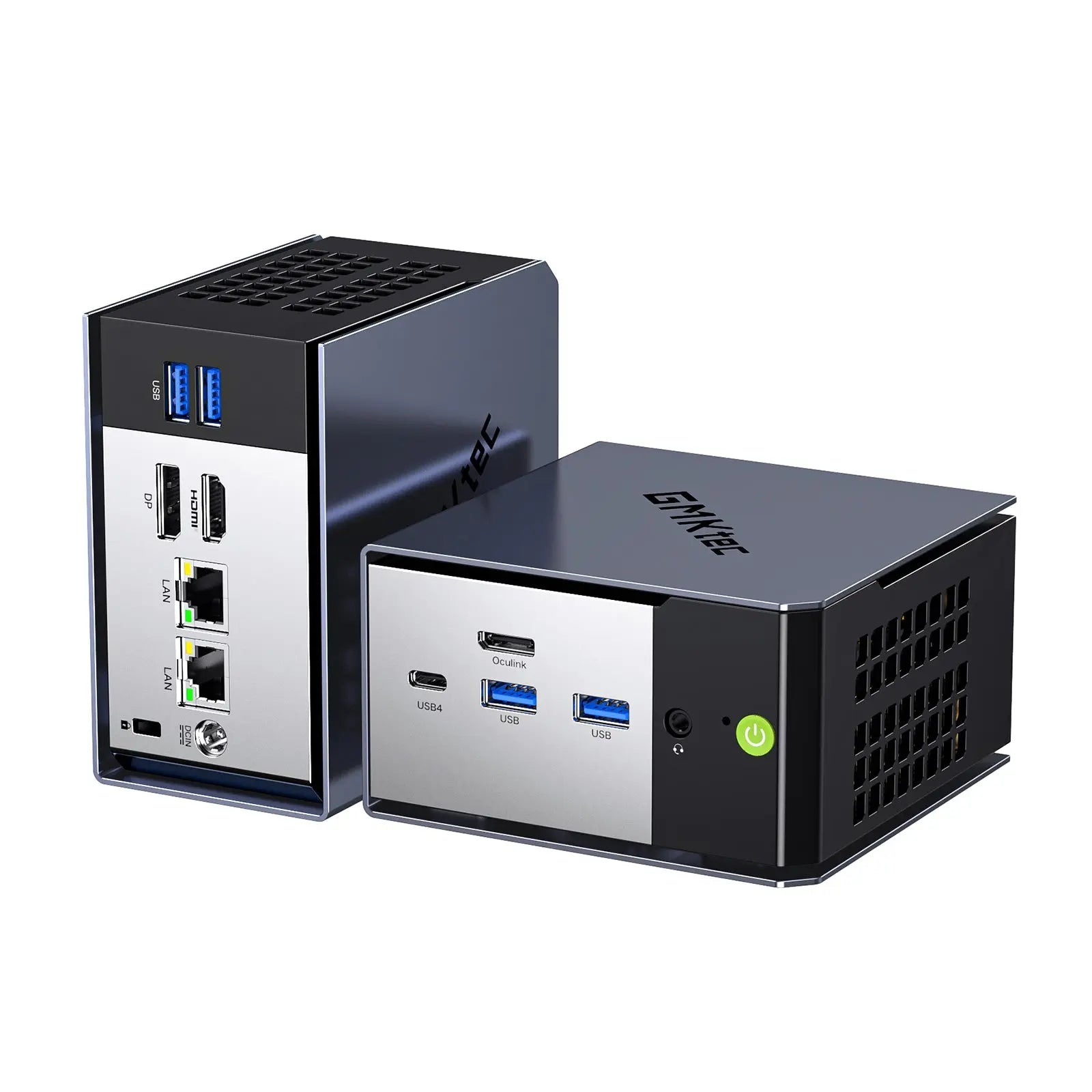
GMKTec EVO-X1 Pro
This GMKTec desktop is built to be set up once and left running, for people who want local AI available every day without ongoing hardware projects. The Ryzen AI 9 HX 470 provides twelve Zen 5 cores to 5.2GHz, the Radeon 890M handles quantized inference, and a 55-TOPS XDNA 2 neural processor offloads small always-on tasks so the main engines stay free for models. Memory is 64GB of LPDDR5 at 6400MT/s soldered on the board in a chassis of roughly 0.6 to 0.7 liters, which gives 14B through 27B inference comfortable headroom, including a quantized 27B model with a long context that would push a 32GB box into swap. Because the memory is soldered, there is no later upgrade, and GMKTec is selling a finished appliance rather than a platform to build, which suits a household or workgroup that prefers stability over tinkering. The OCuLink port over PCIe 4.0 x4 remains the long-term escape hatch, since a discrete card can upgrade graphics without replacing the machine. Storage runs across two M.2 slots to 16TB for weights, datasets, and media, while USB4 at 40 gigabits per second, triple 8K display output, dual 2.5-gigabit Ethernet, Wi-Fi 7, and Bluetooth 5.4 cover desktop and server duties. Dual wired ports keep an agent service or inference queue connected, preinstalled tooling lowers the friction of loading a first model, and the neural chip handles background sensing. Keep the system and library on separate drives so a full volume never stalls the desktop, and place the machine where airflow stays clear during overnight inference runs. Buyers planning for 96GB or 128GB in a few years should choose a socketed platform instead, and budget-minded buyers can start one step down with the EVO-X1.
The Coding & Developers shortlist
Every machine below fits this situation. Each card shows the specs that matter here, plus the current Amazon price.
geekom
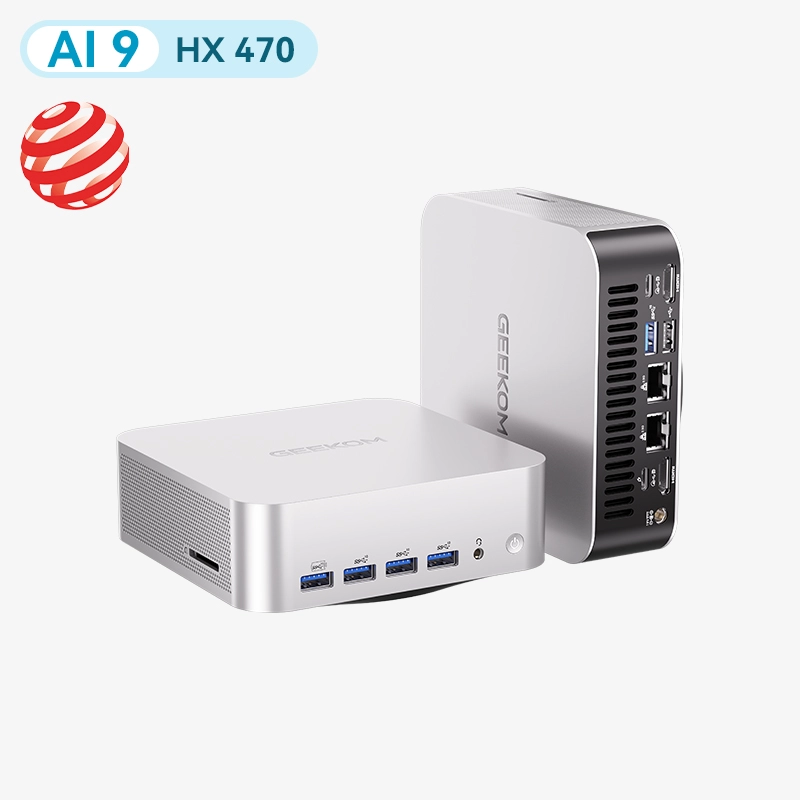
GEEKOM A9 Max (2026 Edition)
24/7 OpenClaw/Hermes host with 14–27B models.
128GB86 TOPSHX 470
gmktec
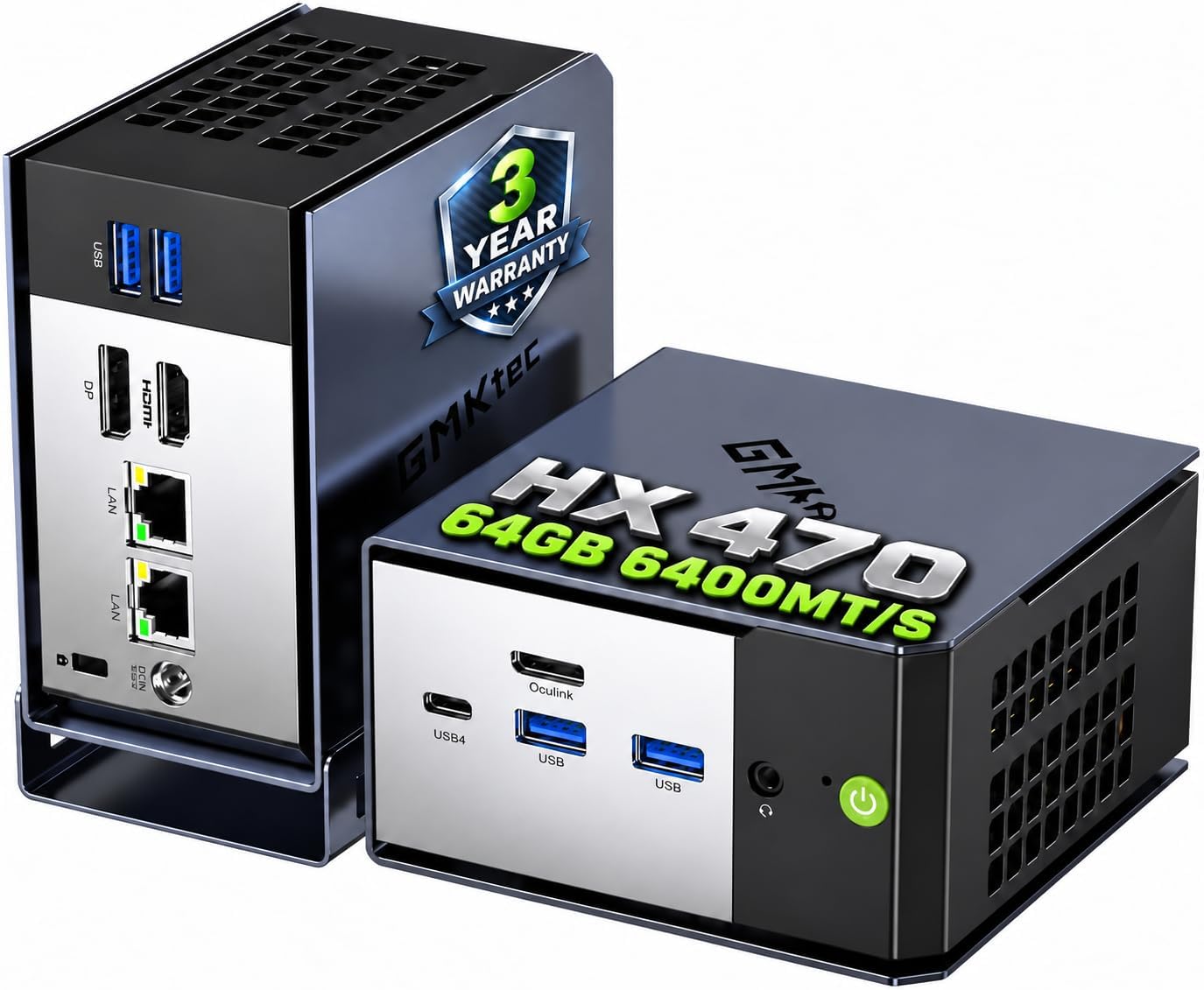
GMKtec X1 Pro (Ryzen AI 9 HX 470, 64GB/2TB)
64GB headroom for 14–27B with OCuLink eGPU option.
64GB55 TOPSHX 470
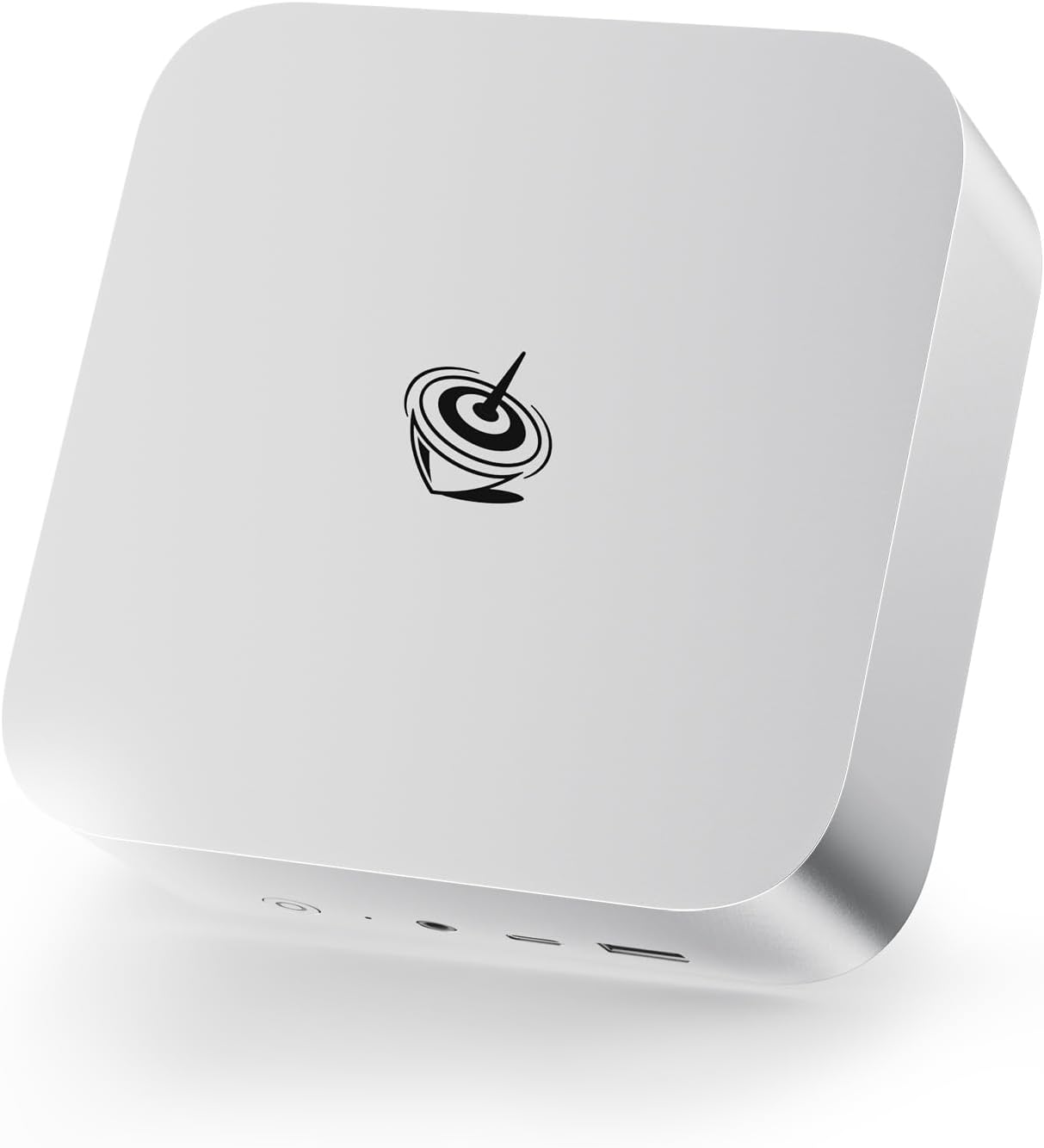
beelink
Beelink SER10 MAX (Ryzen AI 9 HX 470, 64GB DDR5 / 1TB)
27B models with 64GB pre-installed, 10GbE hub.
64GB55 TOPSHX 470
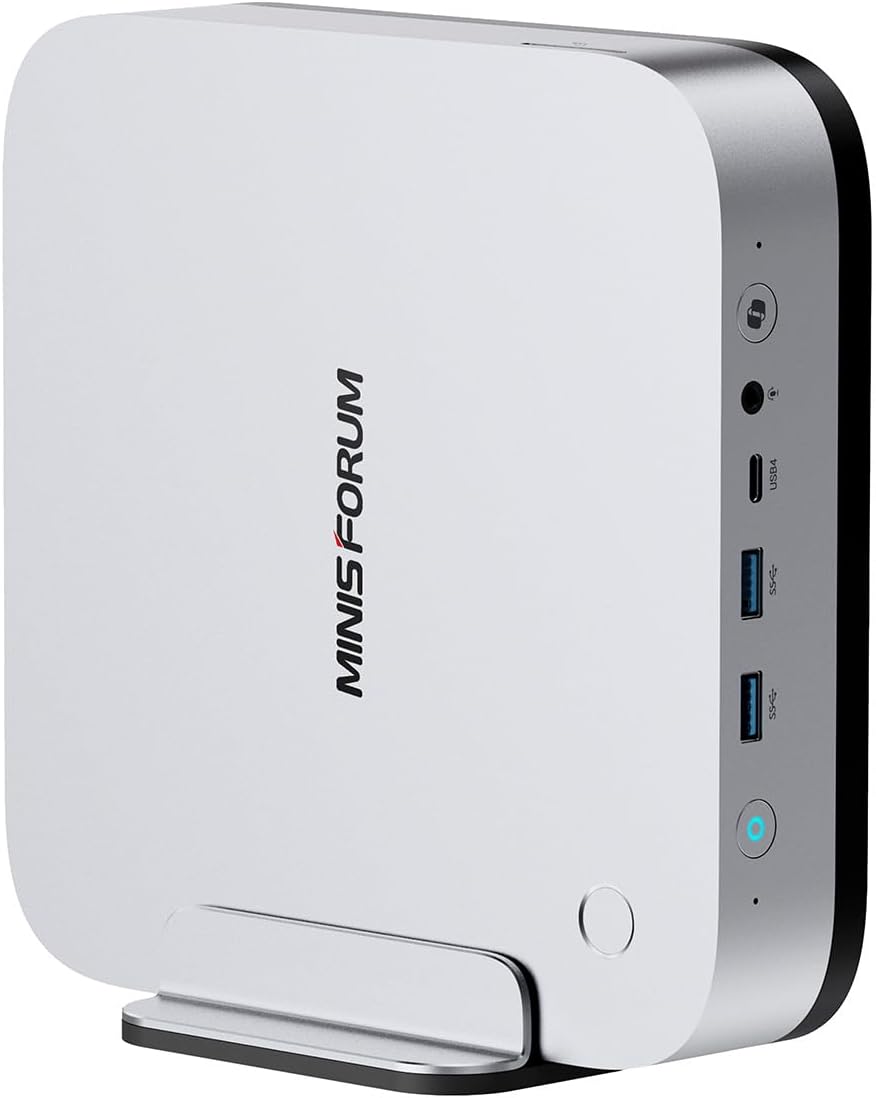
minisforum
MINISFORUM AI X1 Pro-370 (Ryzen AI 9 HX 370, 64GB DDR5 / 1TB)
64GB socketed HX 370 for 14–27B plus 32B Q4.
96GB80 TOPSHX 370
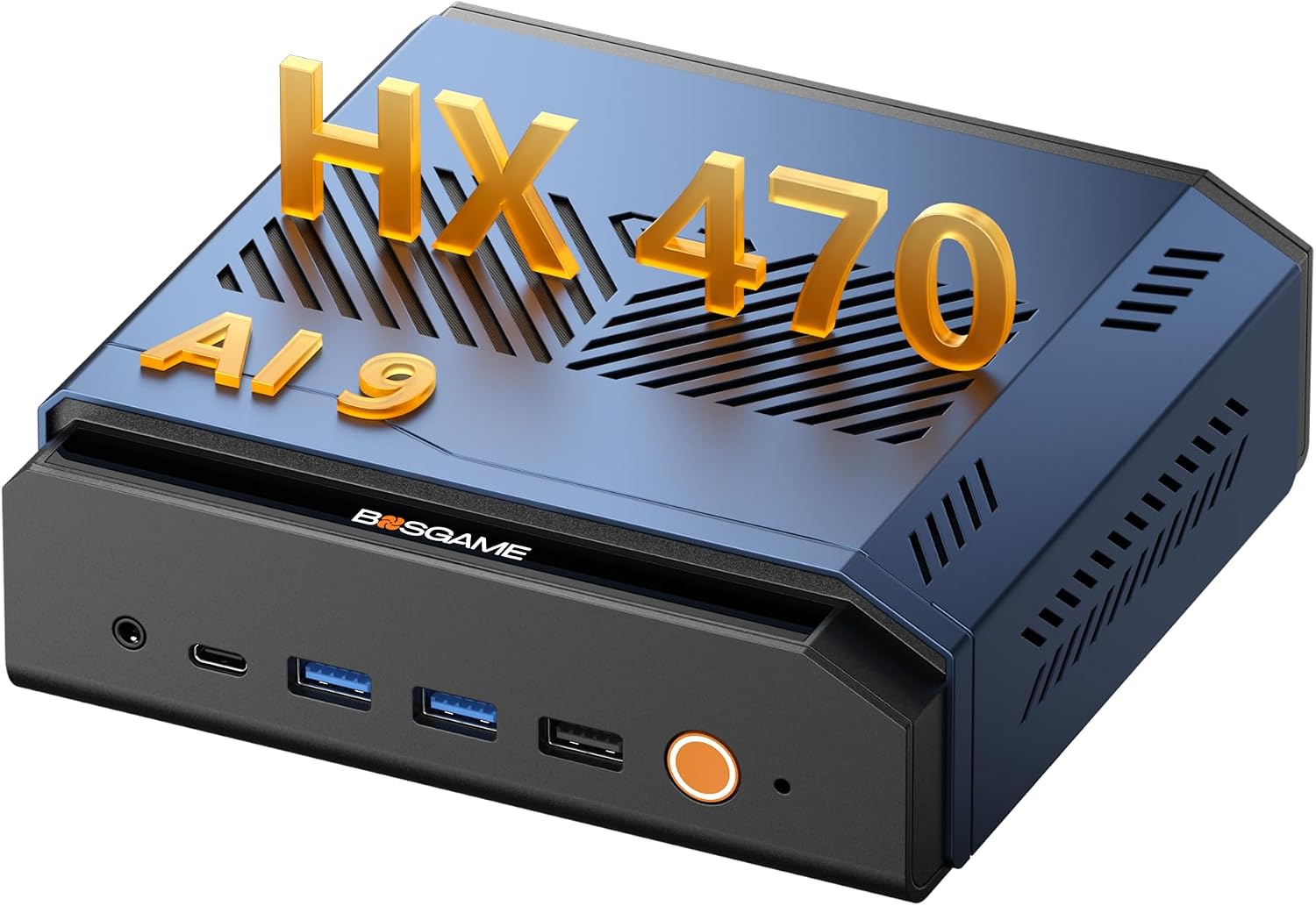
bosgame
BOSGAME AI 9 (Ryzen AI 9 HX 470, 32GB DDR5 / 1TB)
Value HX 470 with triple M.2 for a model library.
64GB55 TOPSHX 470
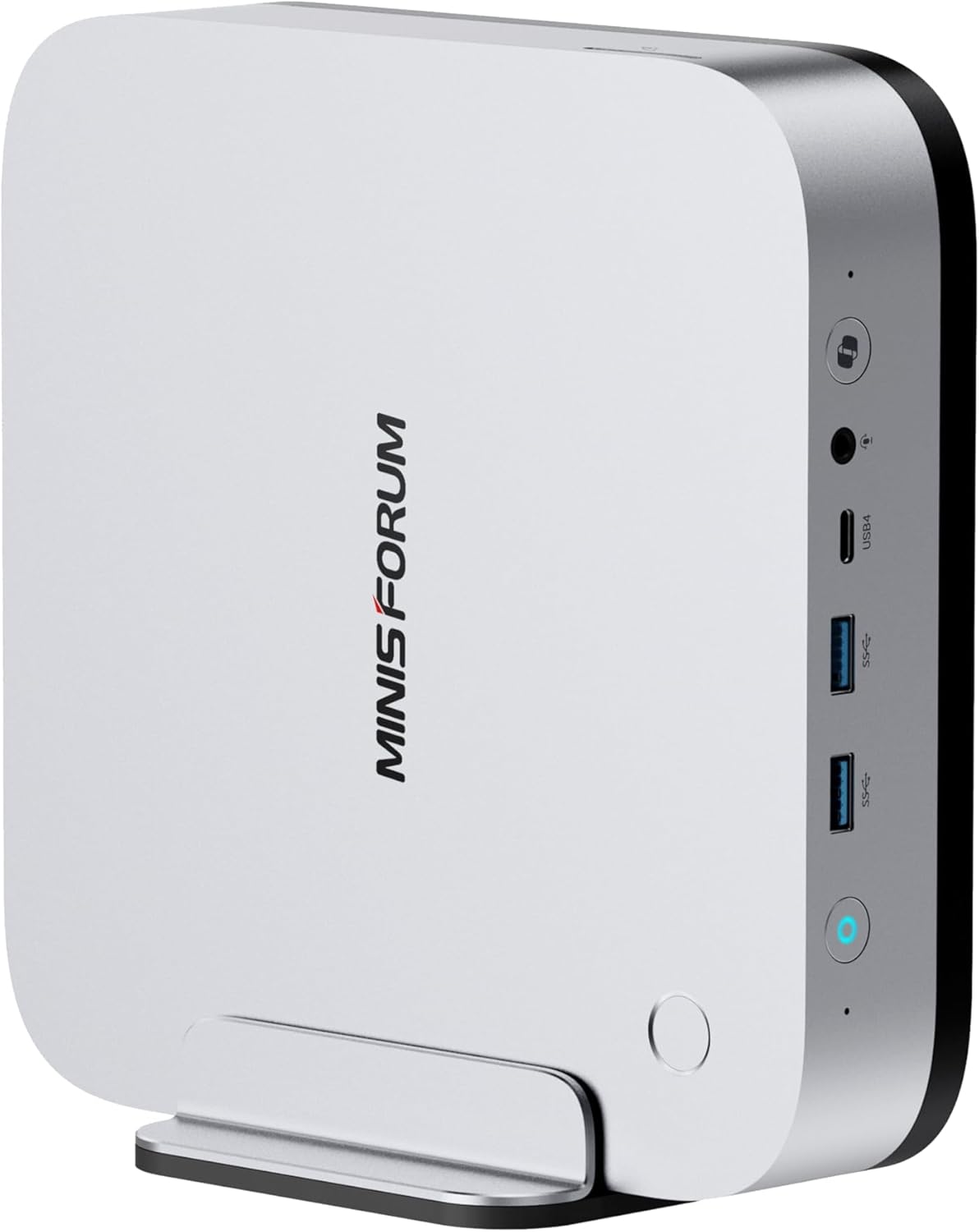
minisforum
MINISFORUM AI X1 Pro-470 (32GB DDR5 / 2TB)
Socketed HX 470, 128GB headroom, 3-drive library.
128GB86 TOPSHX 470
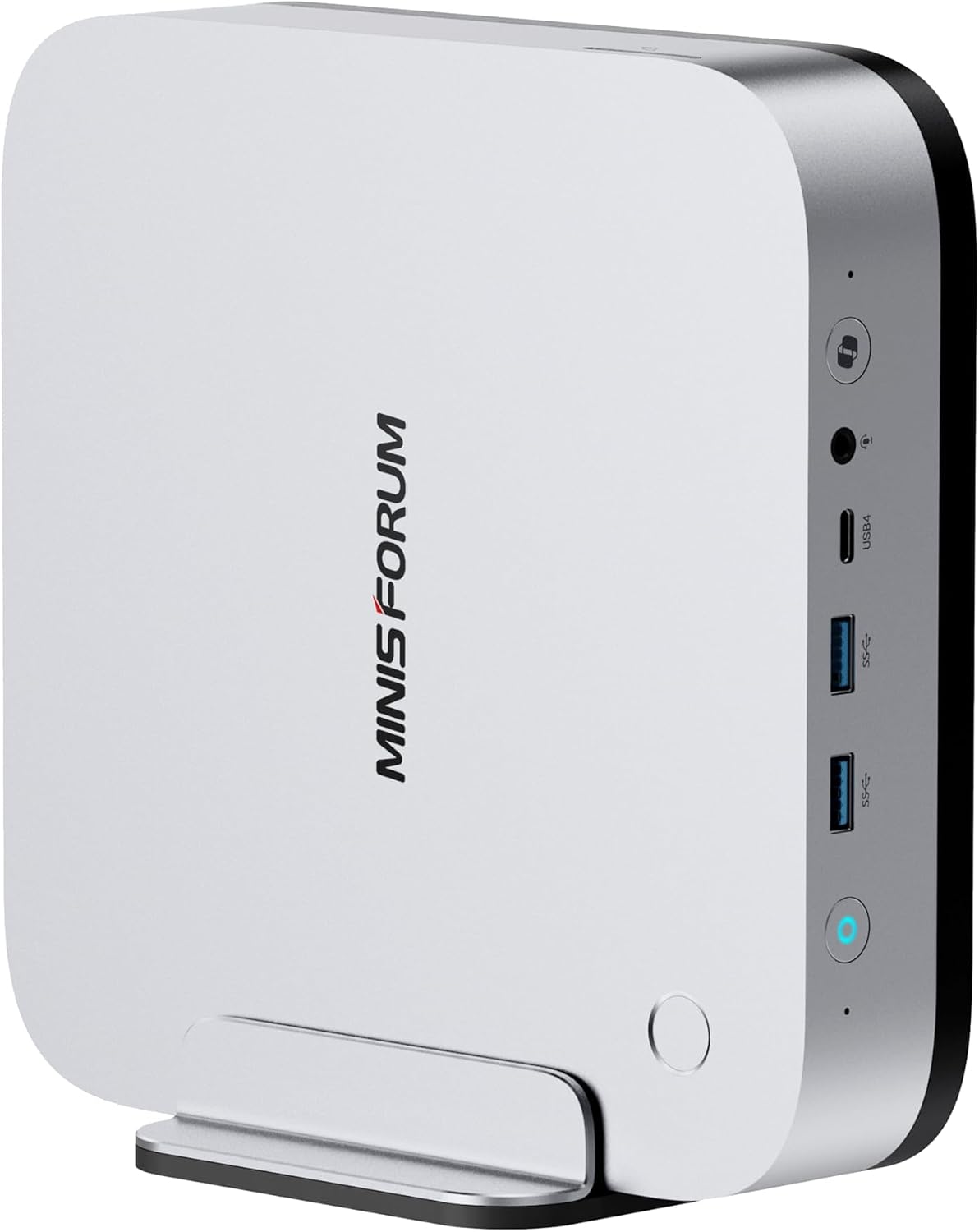
minisforum
MINISFORUM AI X1 Pro-470 (Ryzen AI 9 HX 470, 32GB DDR5 / 1TB)
Value 1TB sibling of the 2TB HX 470 hero.
128GB86 TOPSHX 470
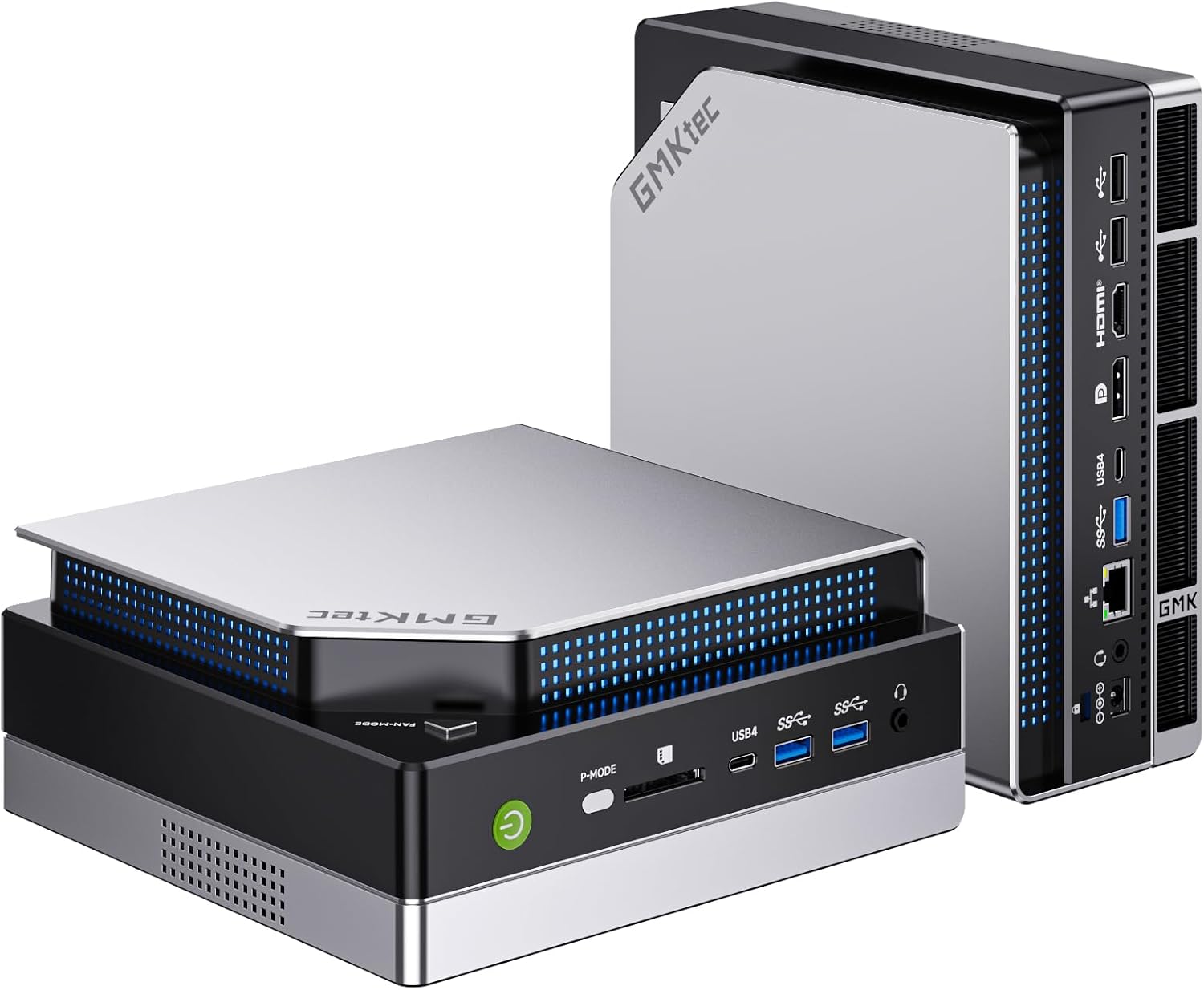
gmktec
GMKtec EVO-X2 (Ryzen AI Max+ 395, 64GB LPDDR5X / 2TB)
Strix Halo for 14–27B plus 32B Q4 on a 64GB pool.
64GB126 TOPSStrix Halo (Max+ 395)
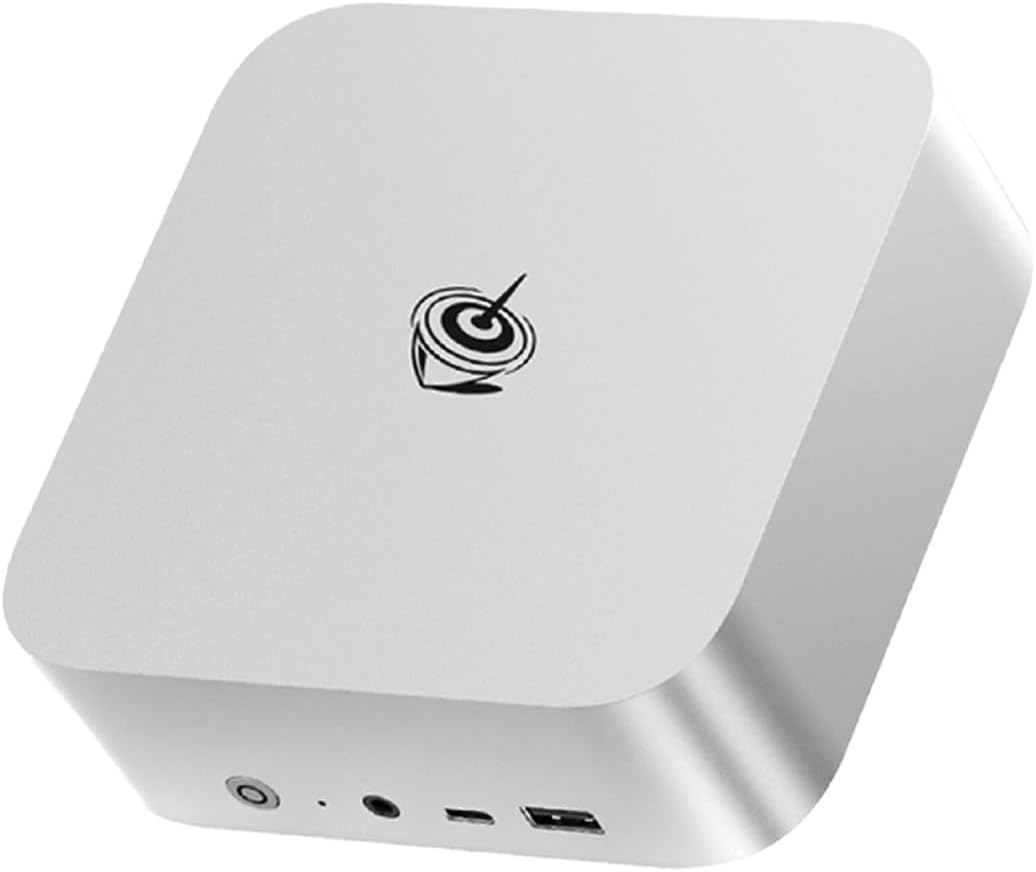
beelink
Beelink SER10 MAX (Ryzen AI 9 HX 470, 32GB DDR5 / 1TB)
Socketed HX 470, 10GbE, always-on 14–27B.
32GB55 TOPSHX 470
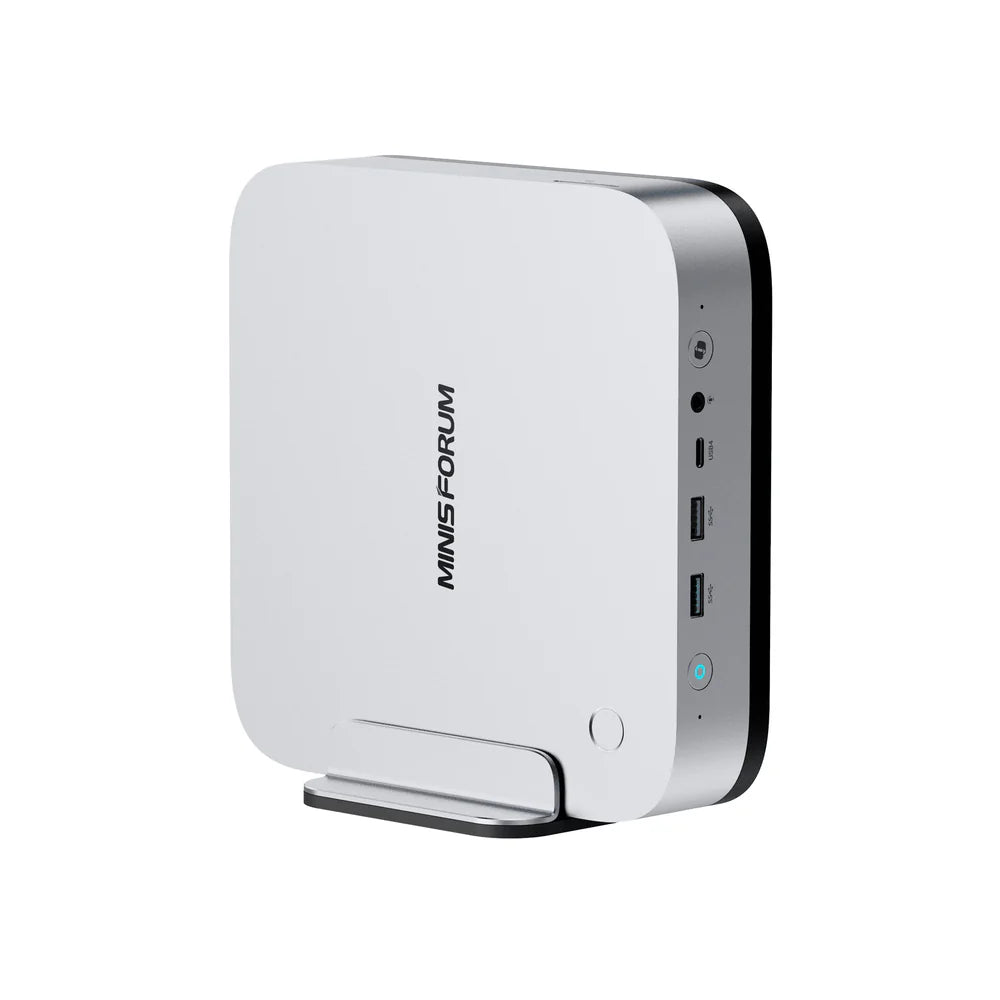
minisforum
MINISFORUM AI X1 Pro-370
96GB/2TB config, listed direct from the brand for now.
128GB80 TOPSHX 370
Memory in the Coding & Developers shortlist
Installed memory (GB) — higher means larger models fit
How much memory does your model need?
How to choose
Start from the model you want to run, not the machine. The memory chart above is the fastest filter: match your model's size to a memory tier, then pick the box in that tier whose ports and warranty fit your desk. Every card above links to the live listing, which is the source of truth for price and stock.