gmktec
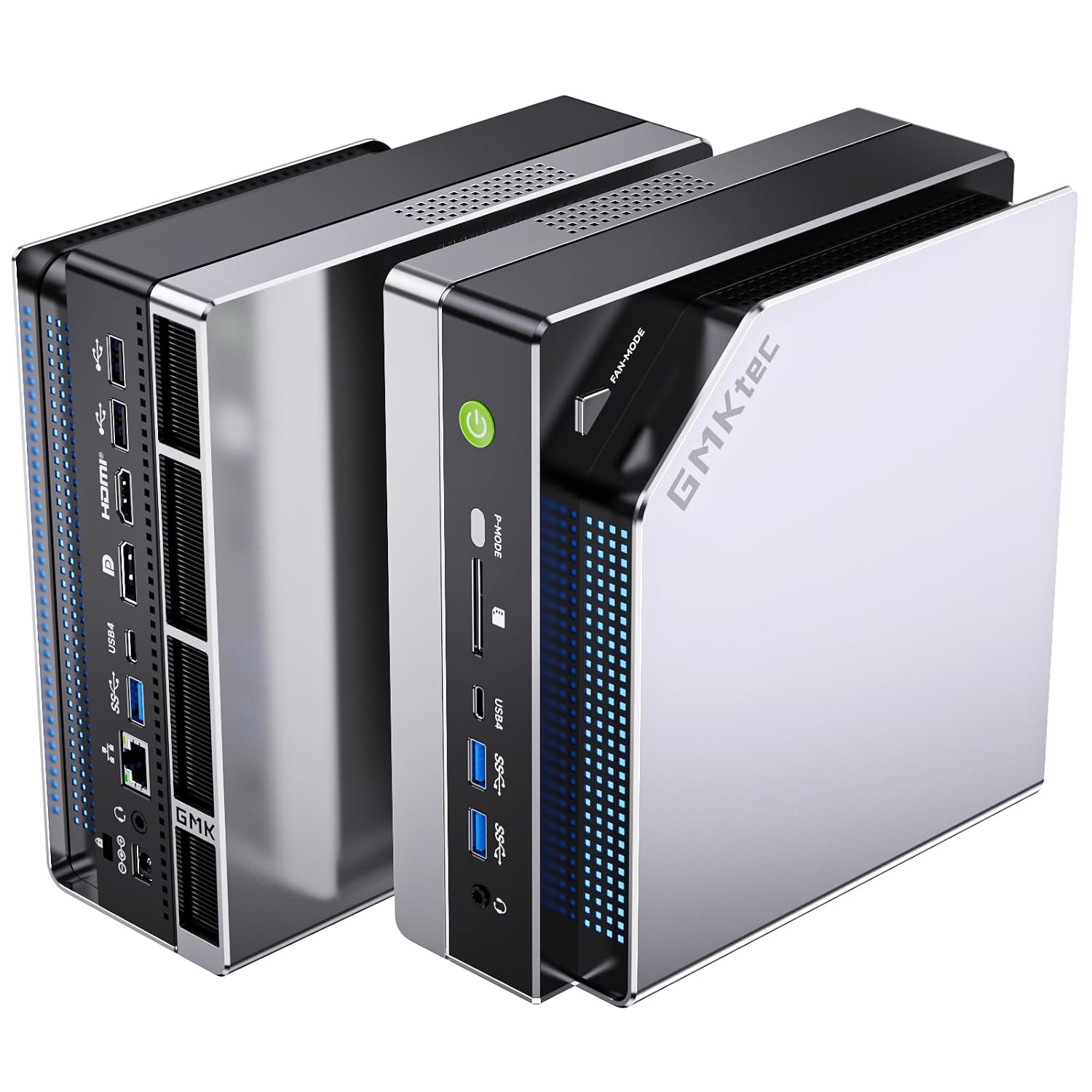
GMKtec EVO-X2 (Ryzen AI Max+ 395, 128GB LPDDR5X / 2TB)
Compact sealed box carrying 30B–70B models to any venue.
128GB126 TOPSStrix Halo (Max+ 395)

Trade shows, pop-ups, demos, field work, venues with bad Wi-Fi: a mini PC in a bag runs the model when the network is down and the data cannot leave the room. Think camping and events, but for AI — offline, self-contained, and ready to pack up.
For demo teams, event producers, field technicians, and remote workers. Small footprint, VESA-mountable, low power, no cloud dependency. Honest note: these are computers, not power stations — pair with your own power for true off-grid work.
If you want to run large local models at home without building a tower with multiple graphics cards, this AMD machine is designed around that single goal. At its center is the Ryzen AI Max+ 395, a 16-core, 32-thread Zen 5 processor that boosts to 5.1GHz with 64MB of L3 cache, paired with the Radeon 8060S graphics engine carrying 40 RDNA 3.5 compute units and a 50-TOPS XDNA 2 neural processor for roughly 126 combined TOPS across CPU, GPU, and NPU. The headline is memory, with 128GB of LPDDR5X-8000 unified memory running at 256GB per second, where a large portion can be set aside as graphics memory so weights, context, and working data share one fast pool. That arrangement holds 70B-class models in place and reaches toward larger models in the 200B-parameter range in device memory, while the NPU handles background features that would otherwise compete with generation. Storage is a 2TB self-encrypting NVMe drive for the system plus a model library, and the footprint is compact at 150 by 150 by 45.4mm and under 1.2kg. Connections cover one 10-gigabit Ethernet port, Wi-Fi 7, Bluetooth 5.4, three USB-C ports plus a dedicated USB-C power input on a single 120W cable, and HDMI 2.1b for a display. It ships on AMD's Linux AI developer setup with ROCm in place, alongside tools such as Ollama, llama.cpp, and vLLM, which suits batch transcription, OCR runs, document retrieval with RAG, vision pipelines, and multi-user local serving for a small team or home lab. It sits at the top of the compact local-AI ladder in this catalog, above the Beelink GTR9 Pro tier, with a one-year limited warranty and third-party marketplace supply, so confirm the live listing before ordering.
Every machine below fits this situation. Each card shows the specs that matter here, plus the current Amazon price.
Compact sealed box carrying 30B–70B models to any venue.
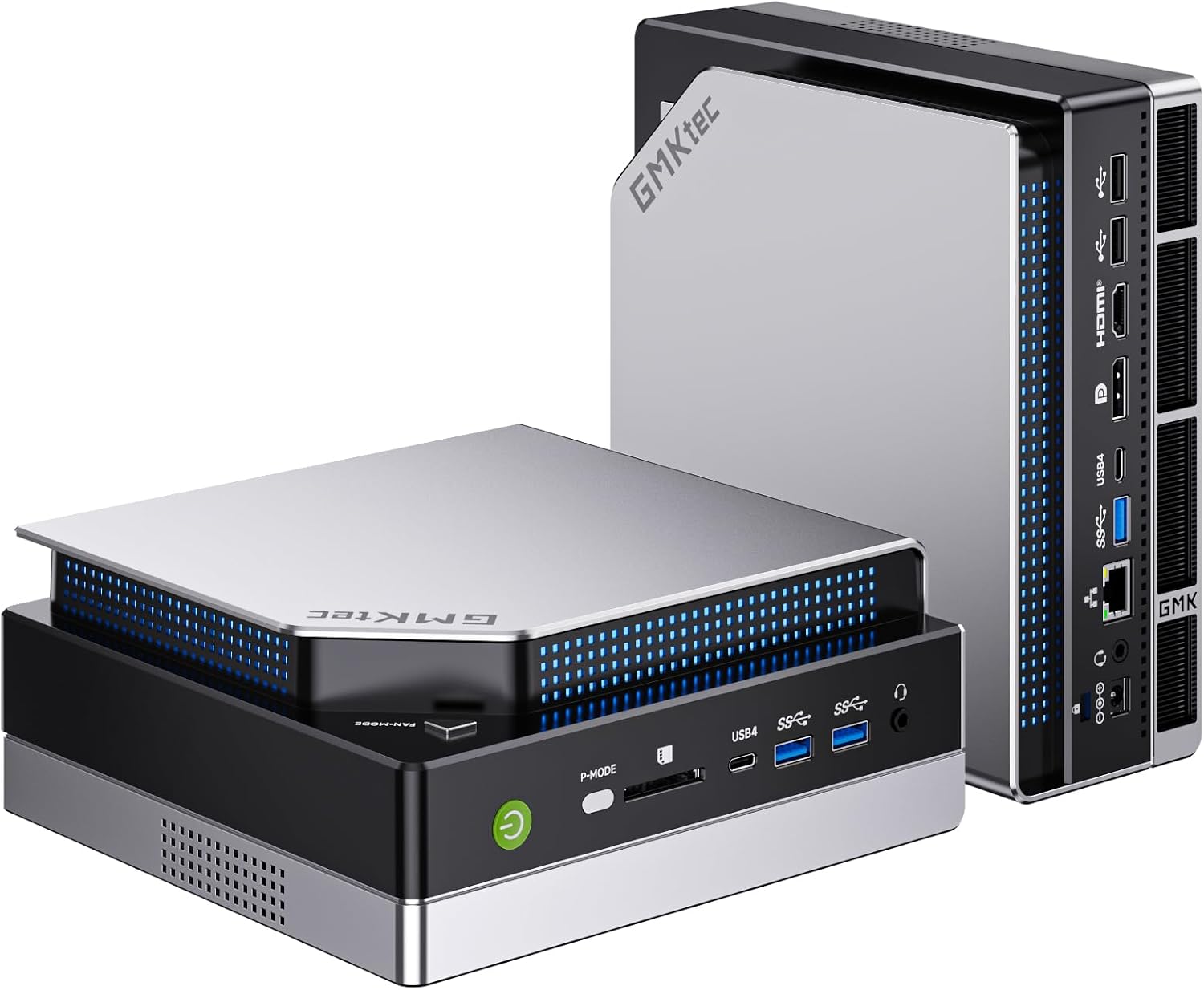
Same chassis, 64GB tier for 14–27B field demos.
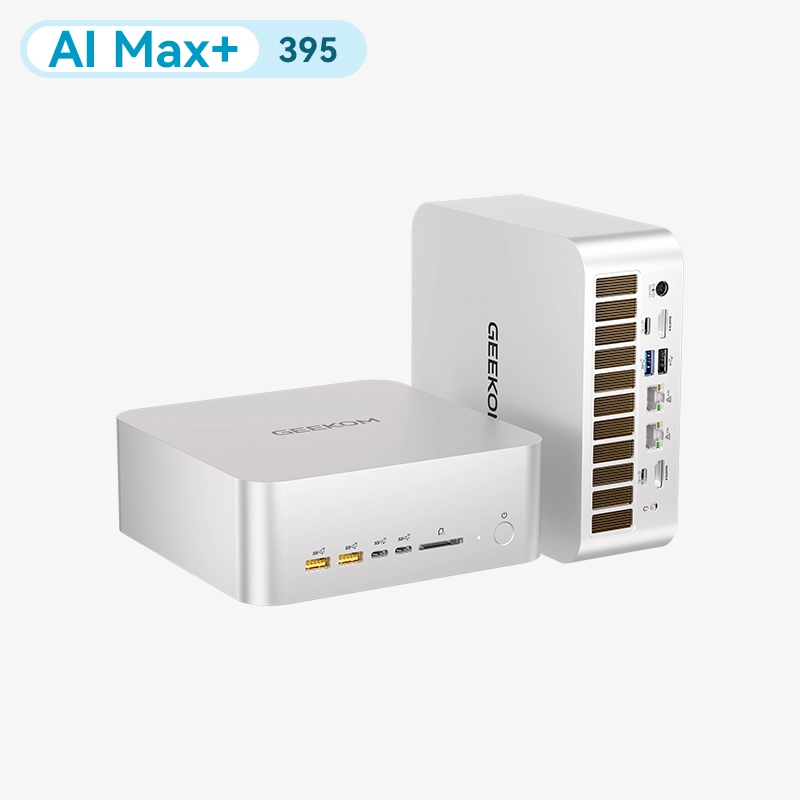
128GB unified in a mini-PC footprint for event demos.
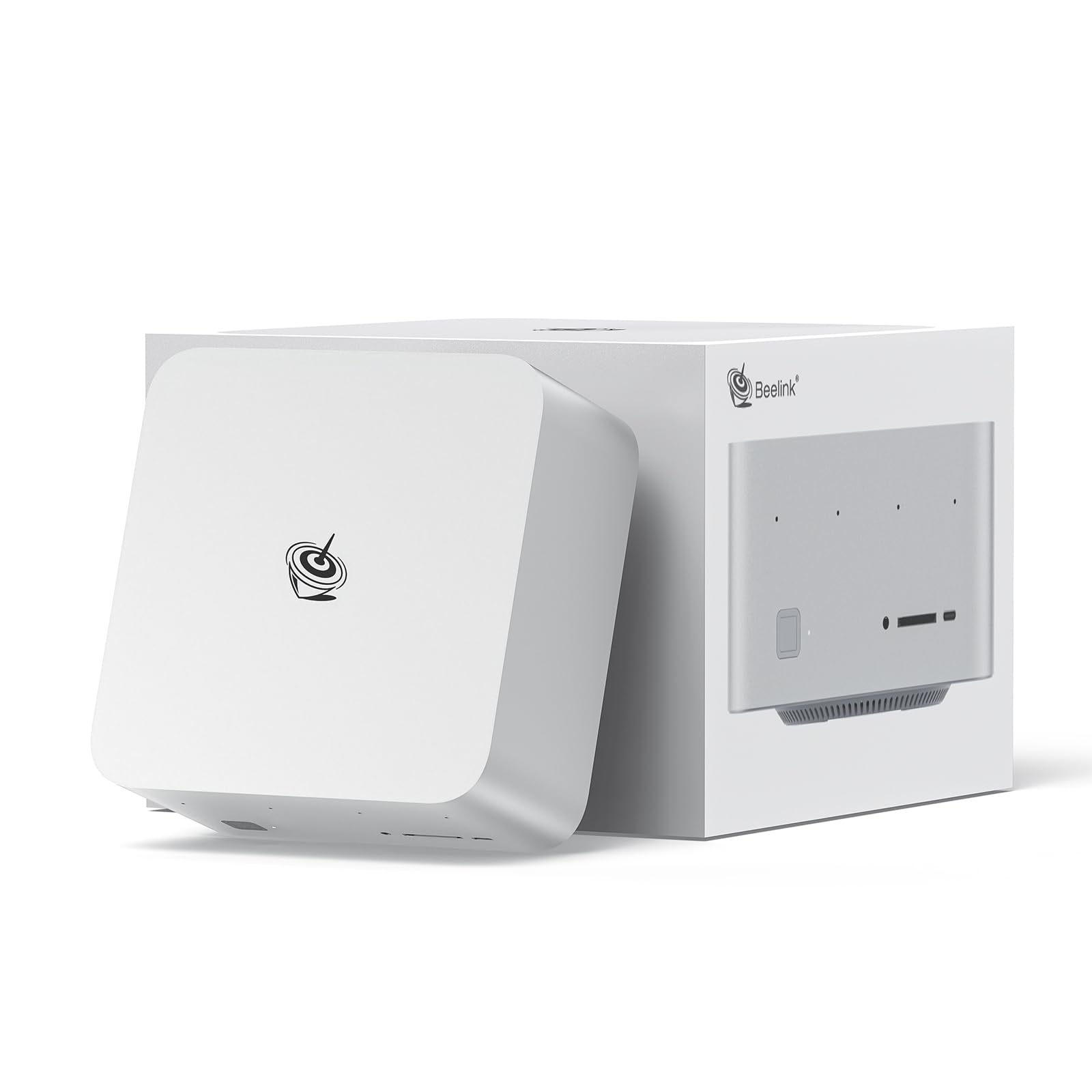
70B-class models, quad display for a demo booth.
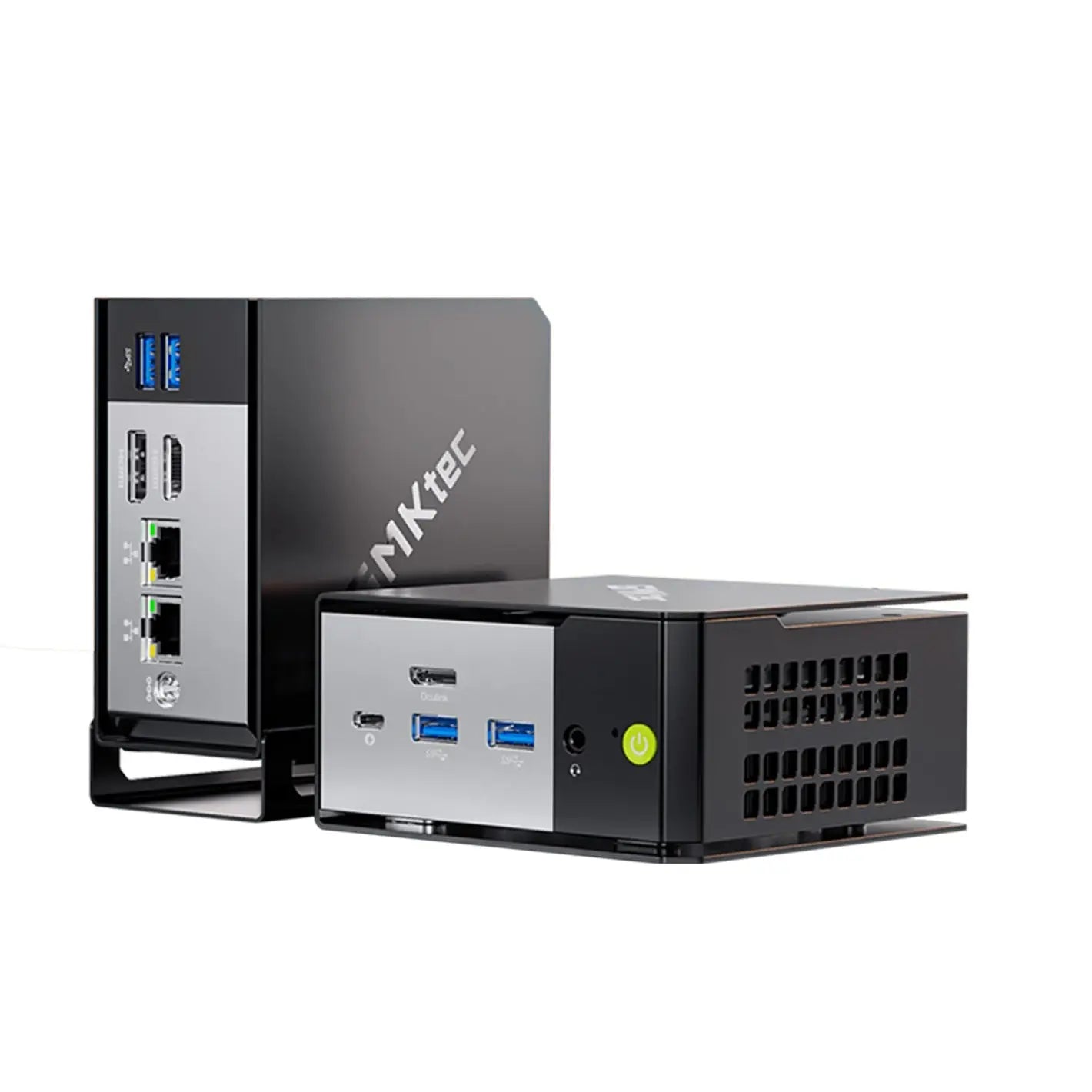
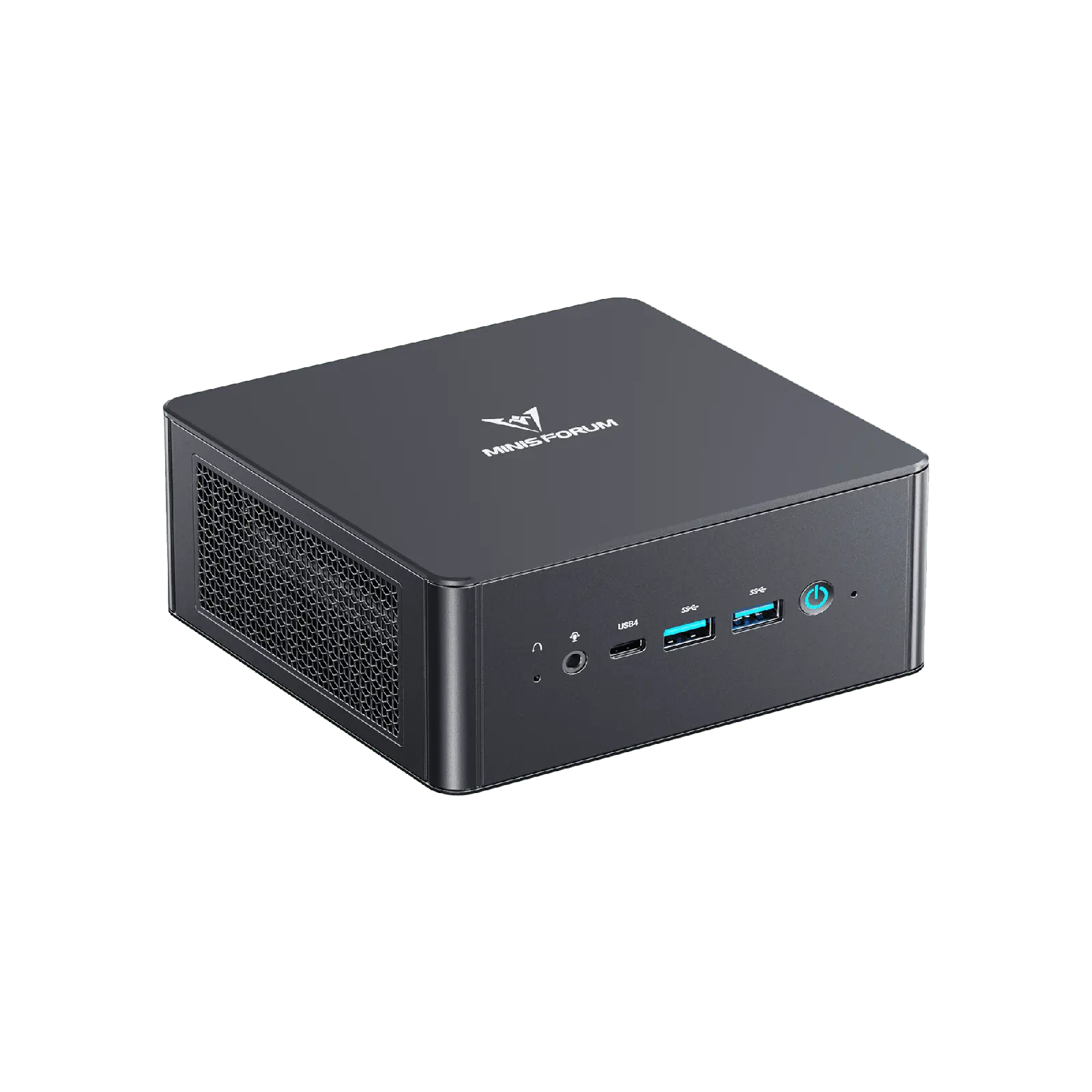
Compact home-server class box that travels well.
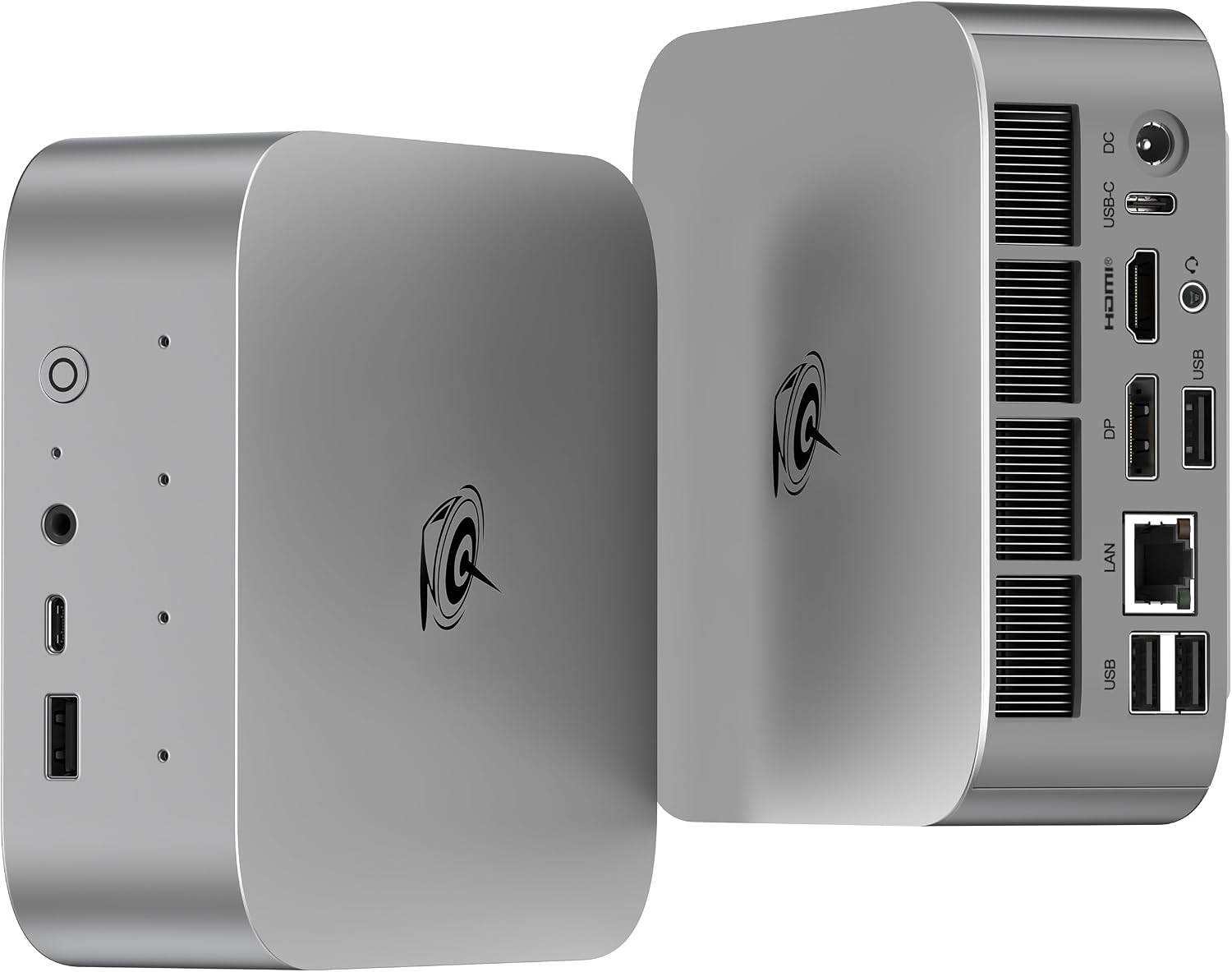
Quiet, small home-office box for field laptops pairing.
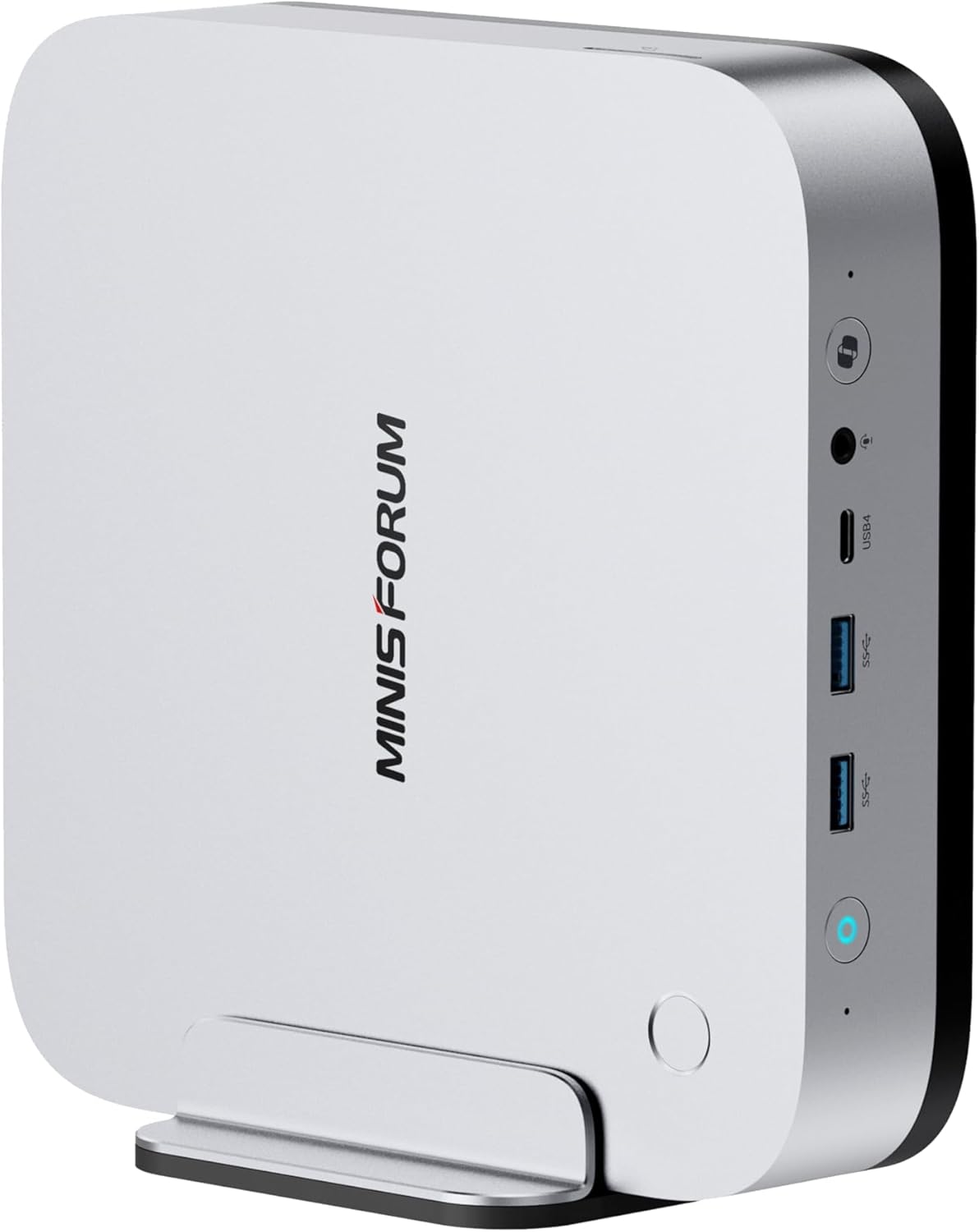
3-drive model library for multi-demo roadshows.
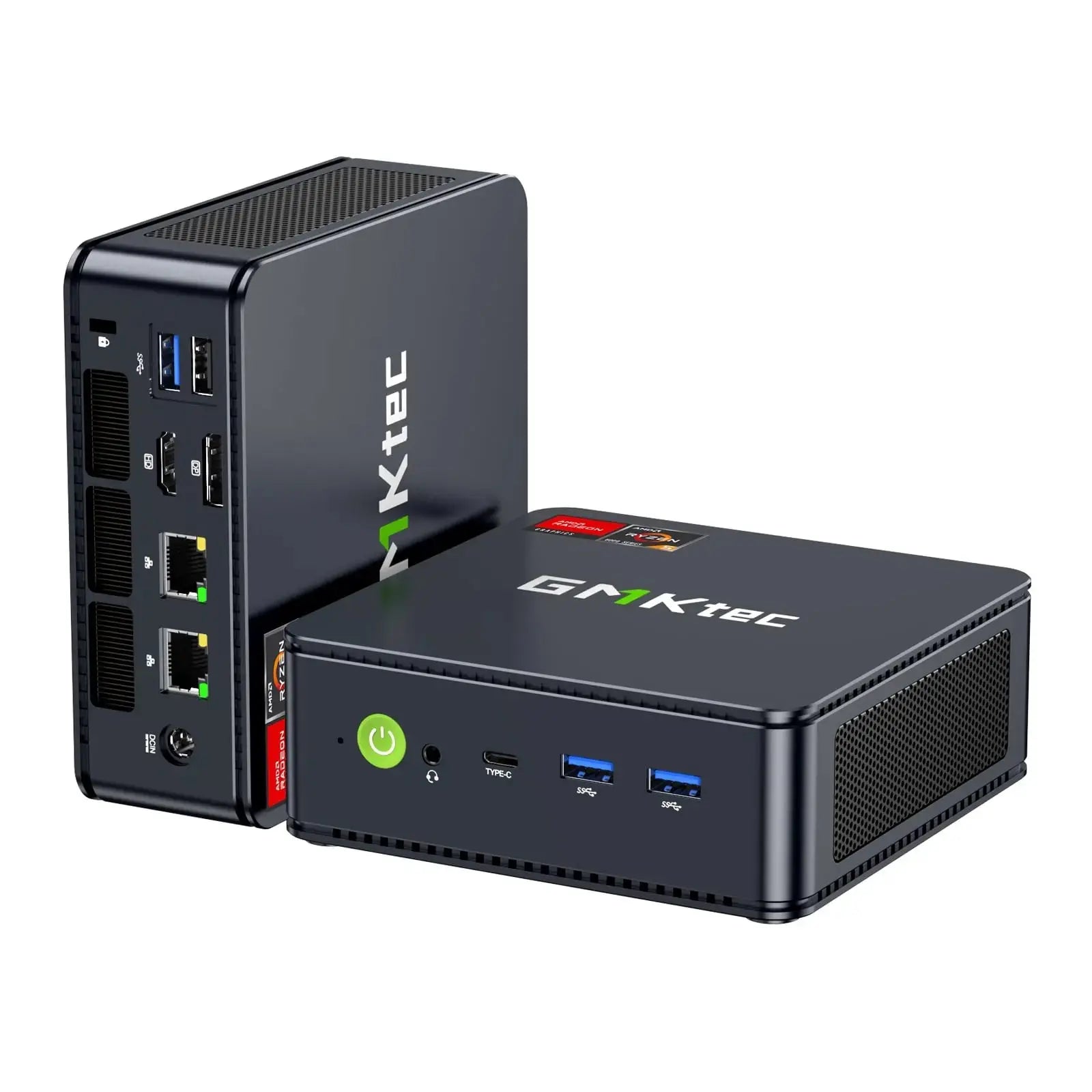
Budget field box for 7–14B demos and light Linux.
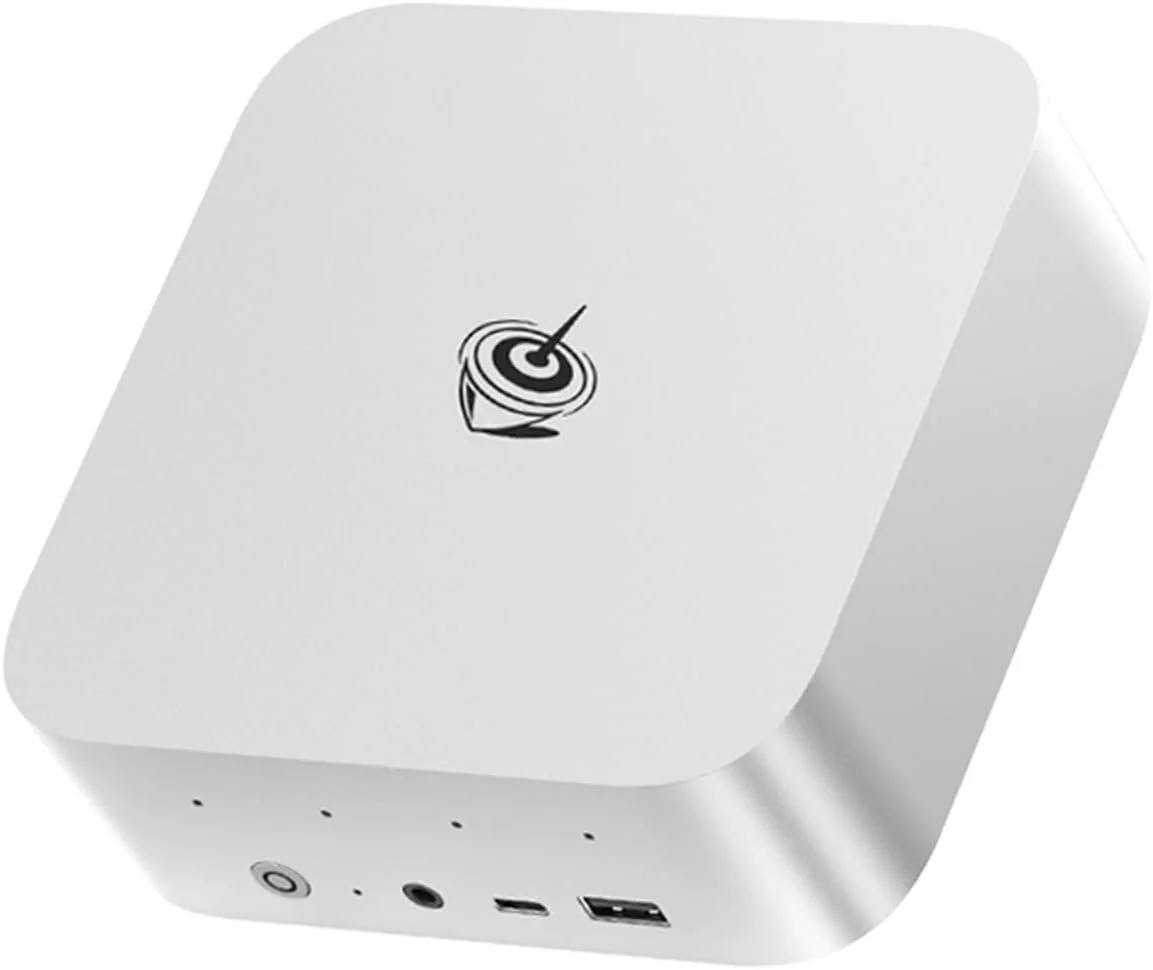
Dual-M.2 storage for offline media libraries on the road.
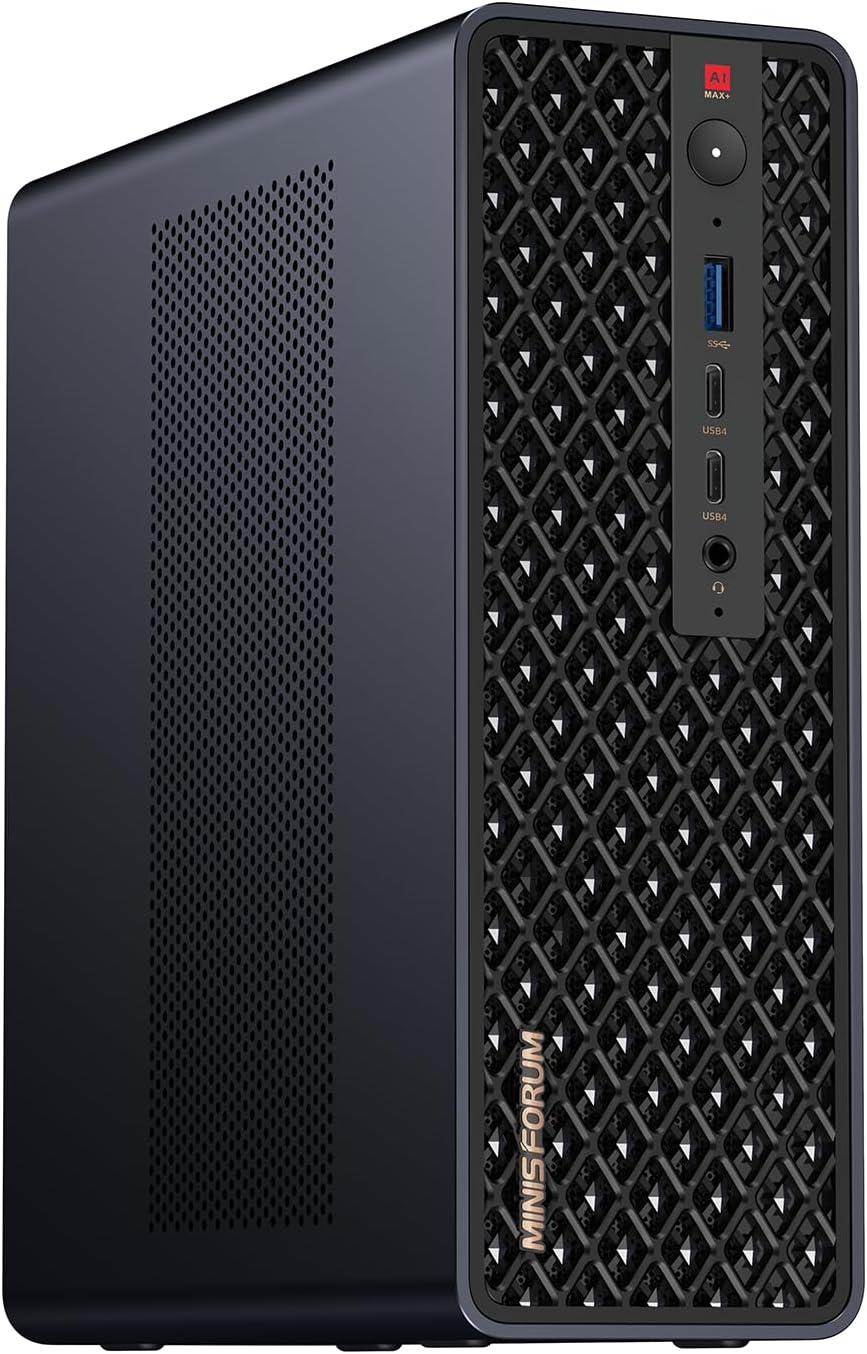
Rackable workstation tier when the venue has a rack.
Start from the model you want to run, not the machine. The memory chart above is the fastest filter: match your model's size to a memory tier, then pick the box in that tier whose ports and warranty fit your desk. Every card above links to the live listing, which is the source of truth for price and stock.