gmktec
GMKtec NucBox K8 Plus
1080p gaming and 4K editing in a compact creator box.
128GB8845 TOPSZen 4 value tier

Editing suites, image models, and 4K timelines on a machine with no discrete card: unified memory is the trick, and these are the machines that do it best.
For photographers, video editors, and image-generation users who want AI-assisted editing that runs on their own hardware, at their own pace, with no per-image cloud bill.
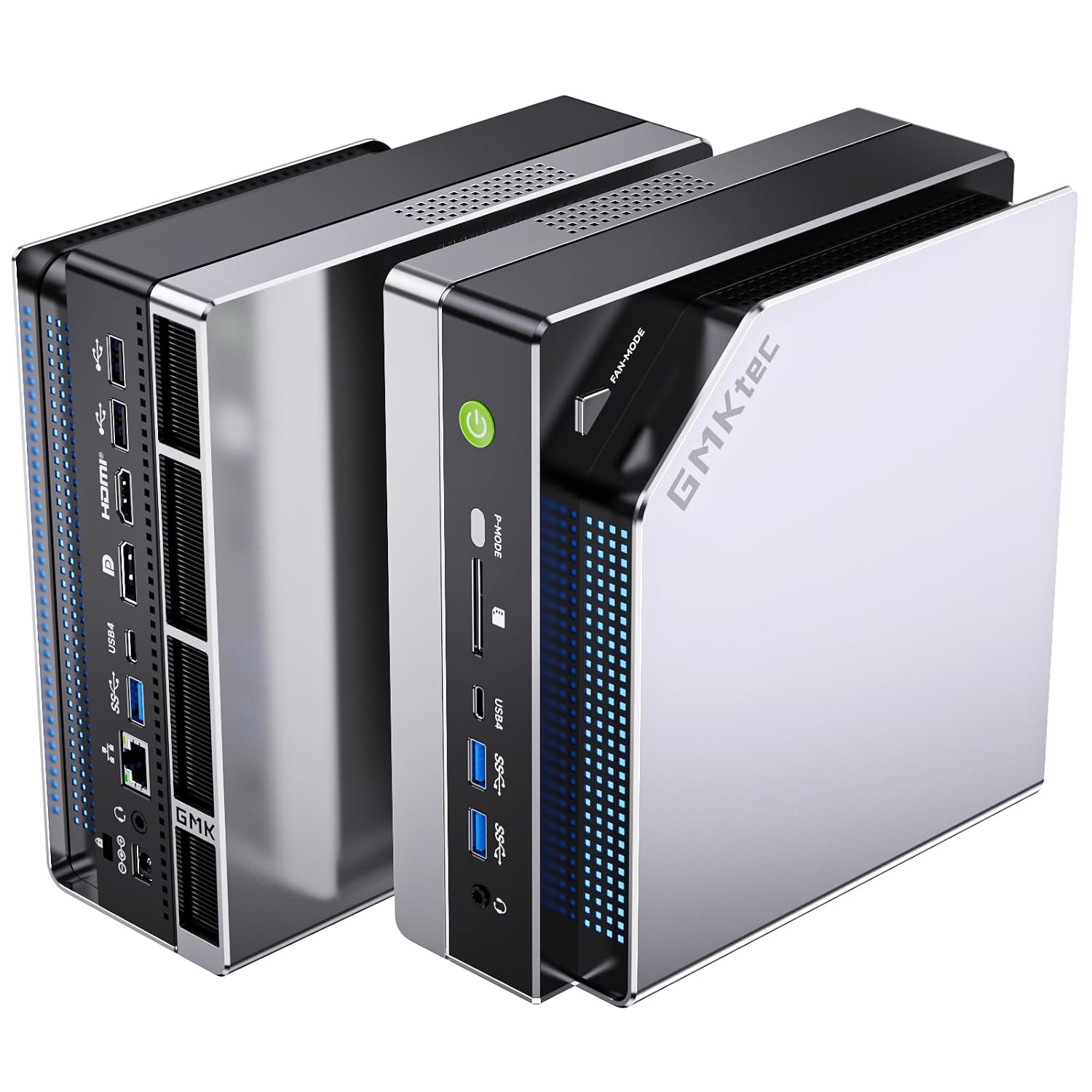
This GMKTec desktop is the compact end of the Strix Halo class, for people who want the largest models that will fit in a desk-sized machine. The Ryzen AI Max+ 395 provides sixteen Zen 5 cores and thirty-two threads to 5.1GHz with 64MB of L3 cache, the Radeon 8060S adds 40 RDNA 3.5 cores, and a 50-TOPS XDNA 2 neural processor brings combined output to 126 TOPS. Memory is the reason to buy it, with 128GB of LPDDR5X-8000 soldered on board and up to 96GB assignable as graphics memory through AMD software, so weights and context share one pool without the VRAM wall that caps most compact desktops. That supports 30B through 70B quantized models, on-device image generation alongside a chat session, document retrieval, batch OCR, transcription, and vision pipelines, and the vendor cites even larger models at reduced precision within the same pool. Storage starts at 2TB of PCIe 4.0 NVMe with a second M.2 slot taking expansion to 8TB for a full library. Ports include dual USB4 at 40 gigabits per second, three USB 3.2 Gen2 ports, two USB 2.0 ports, HDMI 2.1 to 8K and 60Hz, DisplayPort 1.4, Wi-Fi 7, Bluetooth 5.4, an SD 4.0 reader, and a single 2.5-gigabit Ethernet port supplied through an external power pack. A triple-heat-pipe stack with dual CPU fans plus a DDR and SSD fan keeps the sealed tool-less chassis steady under sustained load. Plan a single large model resident at a time so context and weights fit comfortably together in the shared pool. The memory is a fixed ceiling that cannot be expanded, some listings mislabel the graphics engine while the spec table identifies the Radeon 8060S, and the single wired port trades against workstation-class alternatives with more expansion.
Every machine below fits this situation. Each card shows the specs that matter here, plus the current Amazon price.
1080p gaming and 4K editing in a compact creator box.
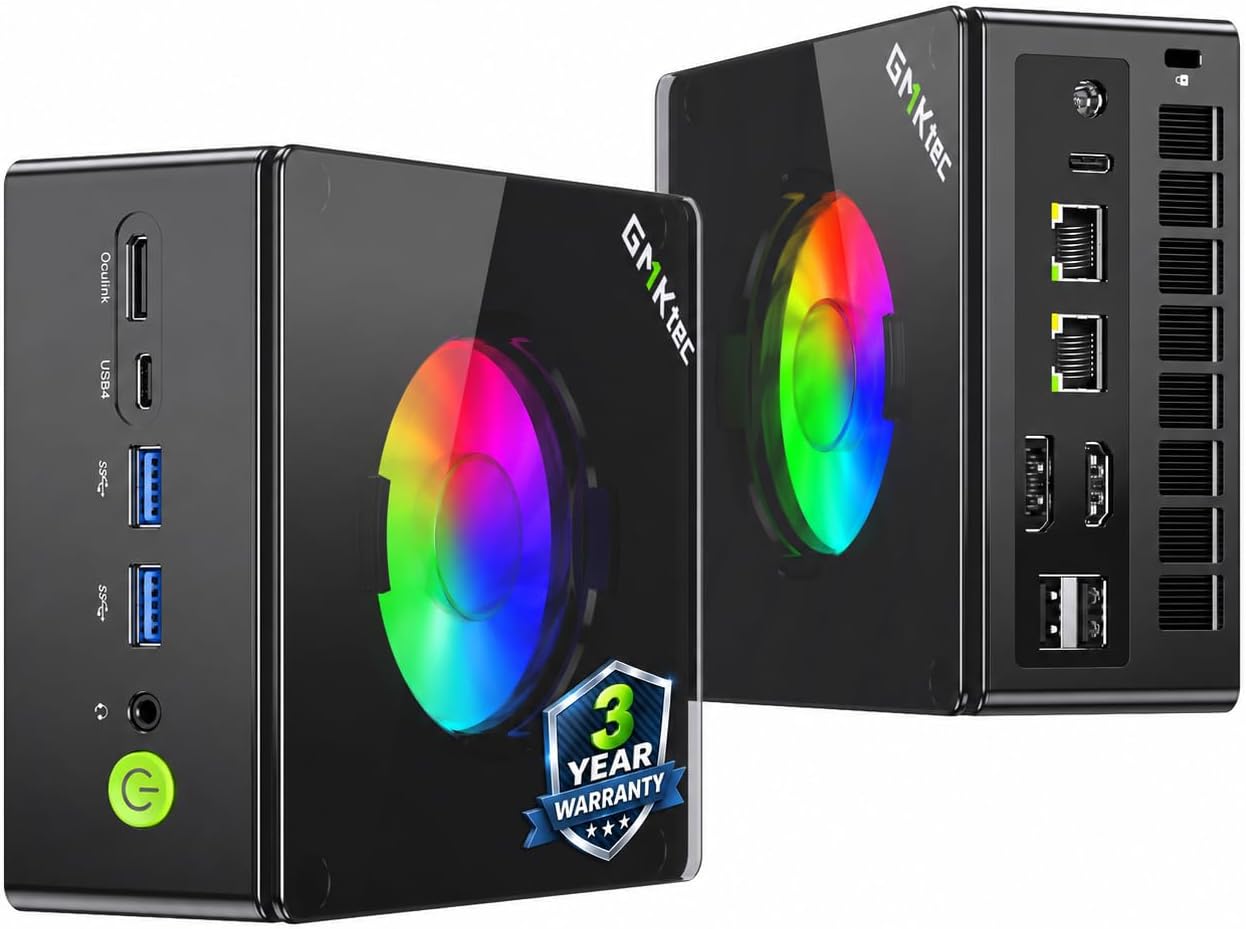
Flagship 780M graphics for 4K editing and light AI.
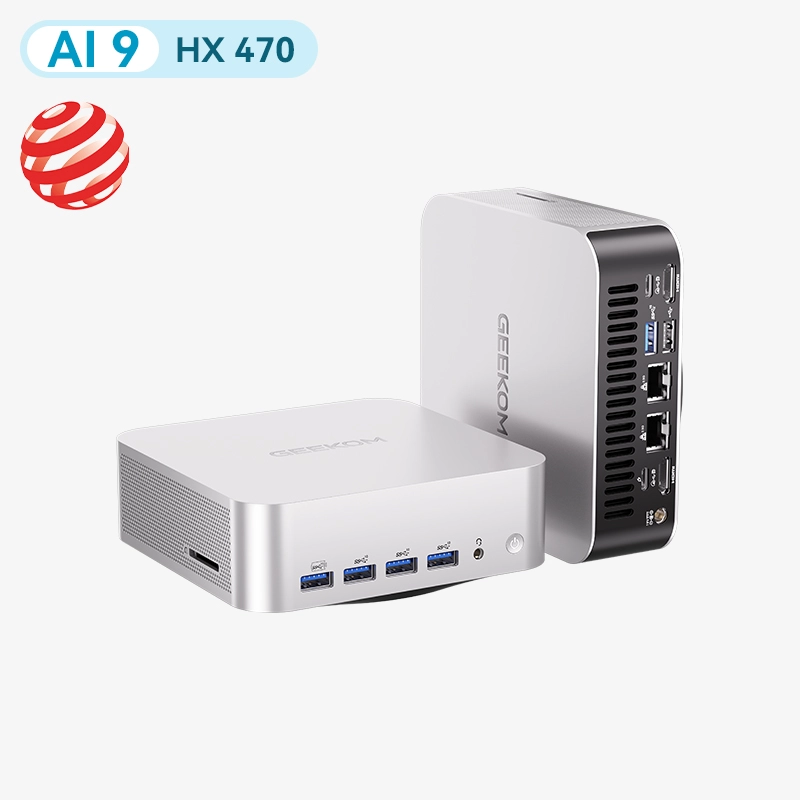
Photo and video editing with 14–27B AI alongside.
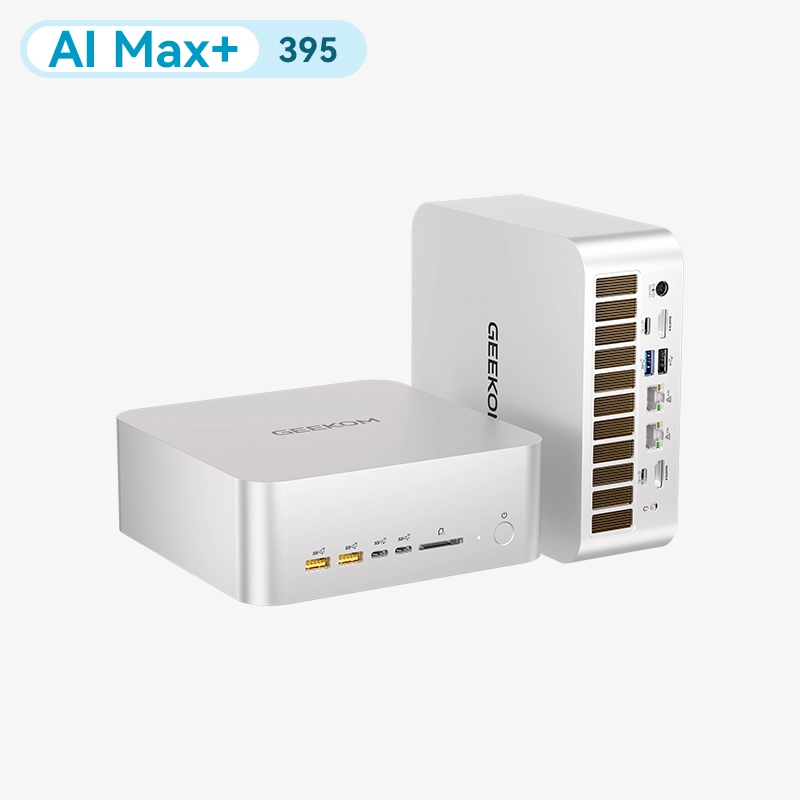
Large-model image generation and 4K creation on 128GB.
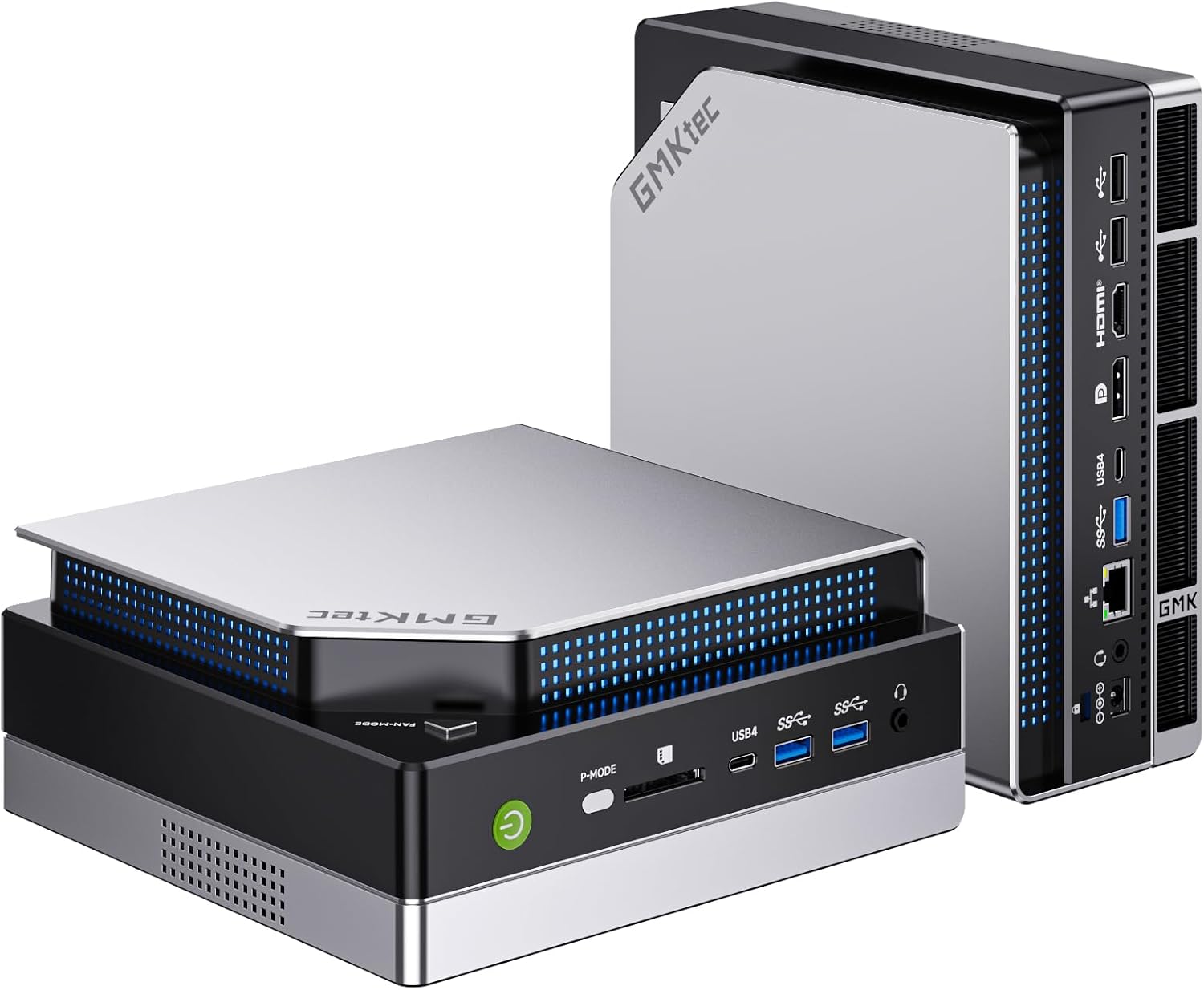
Strix Halo creator tier: image gen plus 14–27B models.
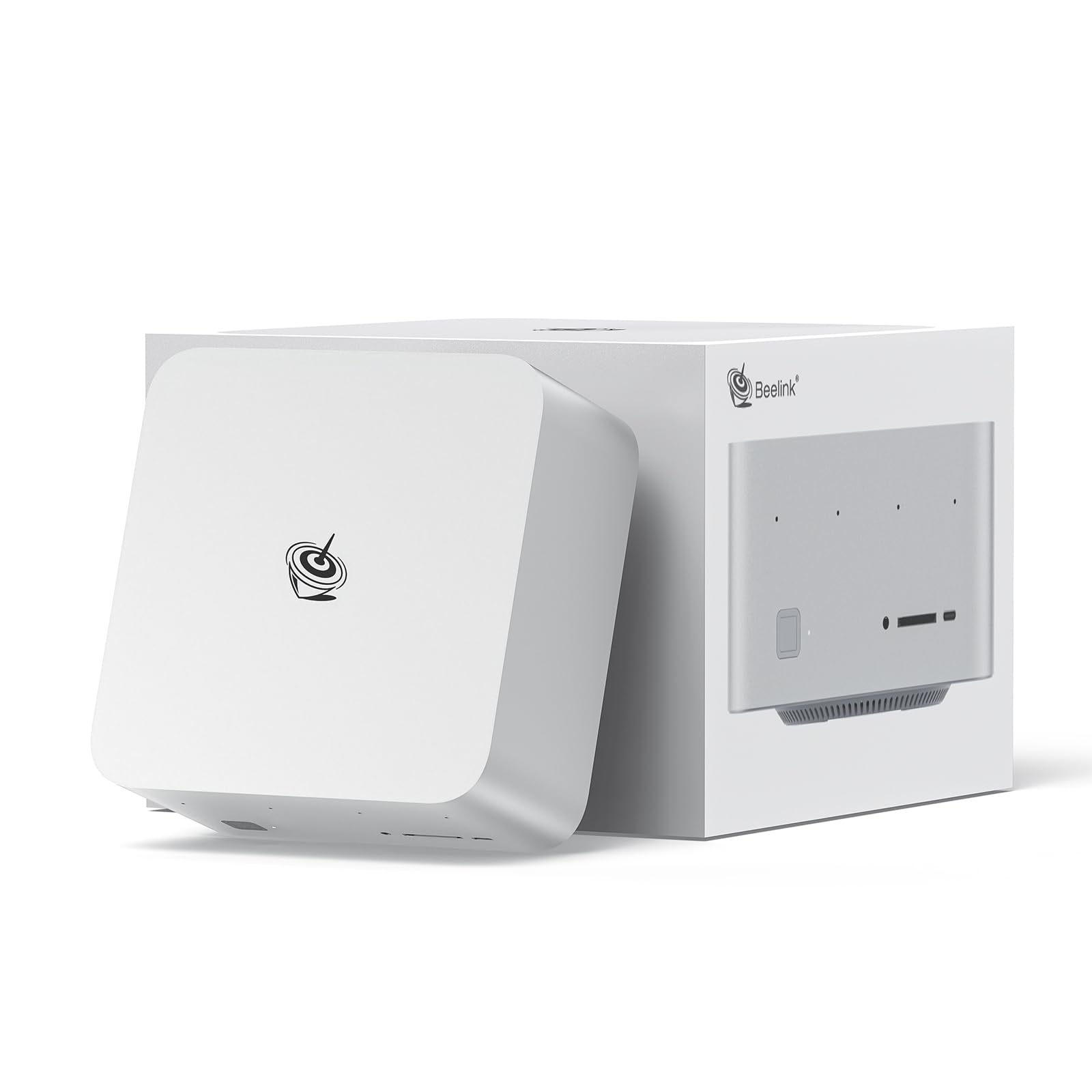
Quad-8K display and 70B-class models for a creator desk.
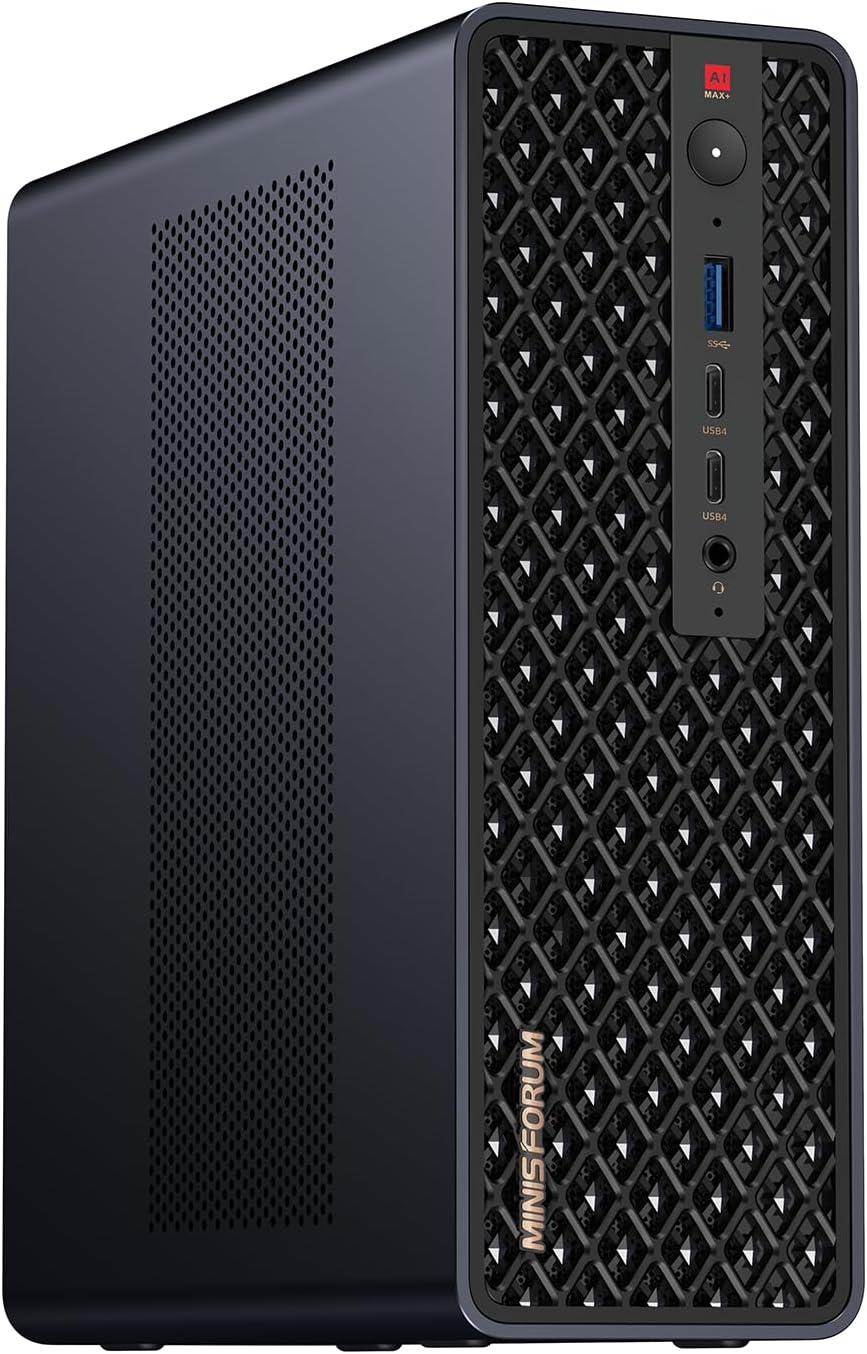
Workstation tier for heavy creation pipelines.
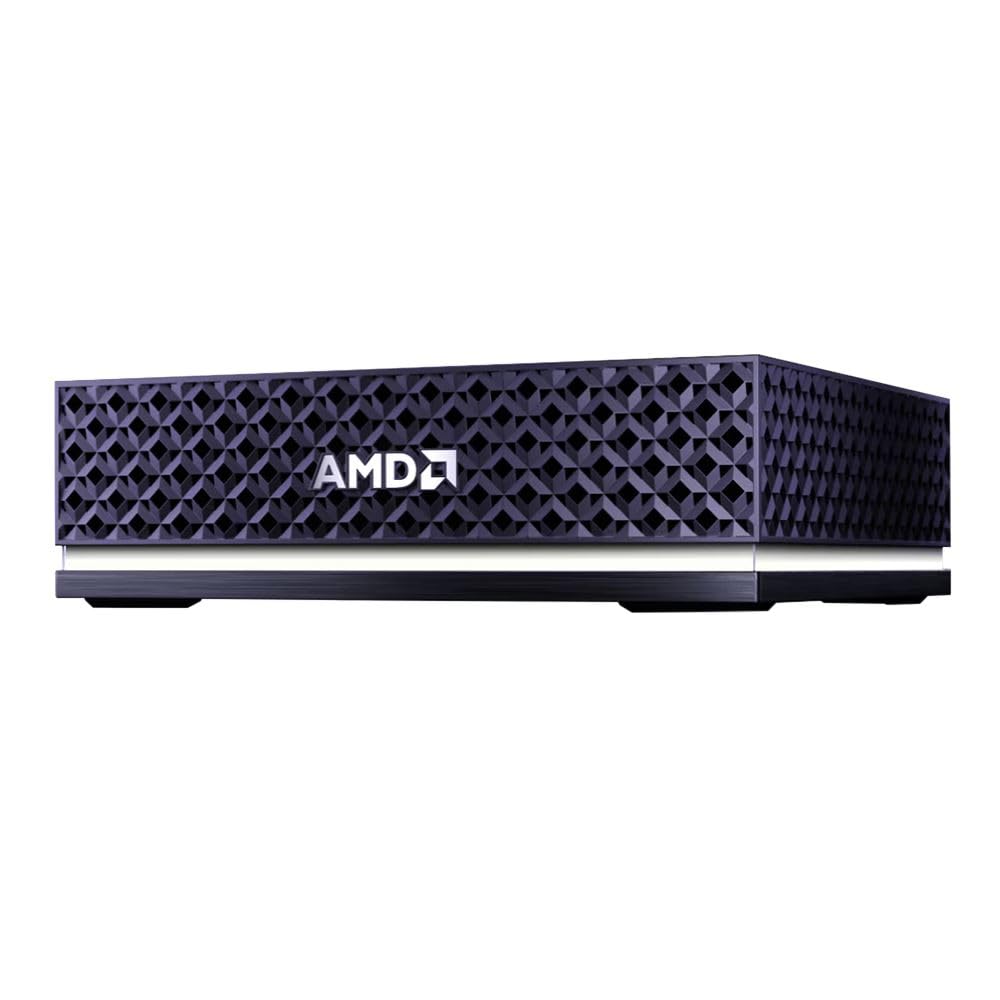
AMD reference Strix Halo box for large local creation models.
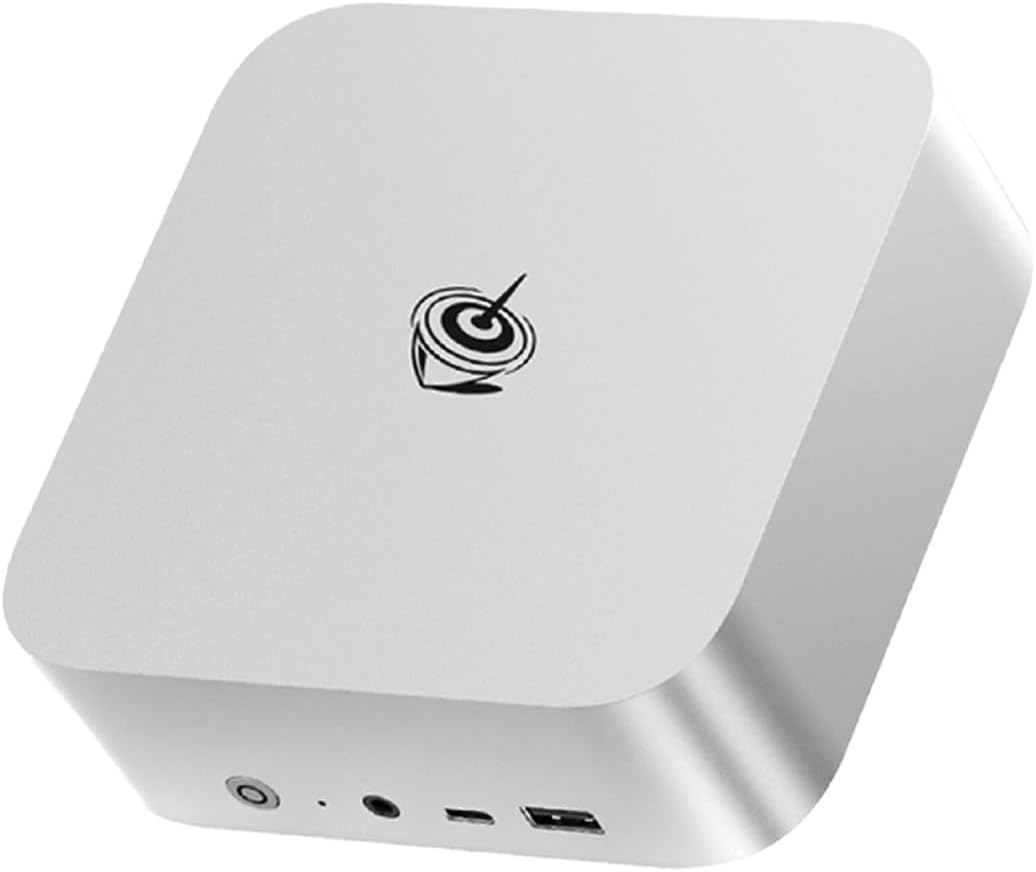
Triple-4K workstation with 14–27B AI.
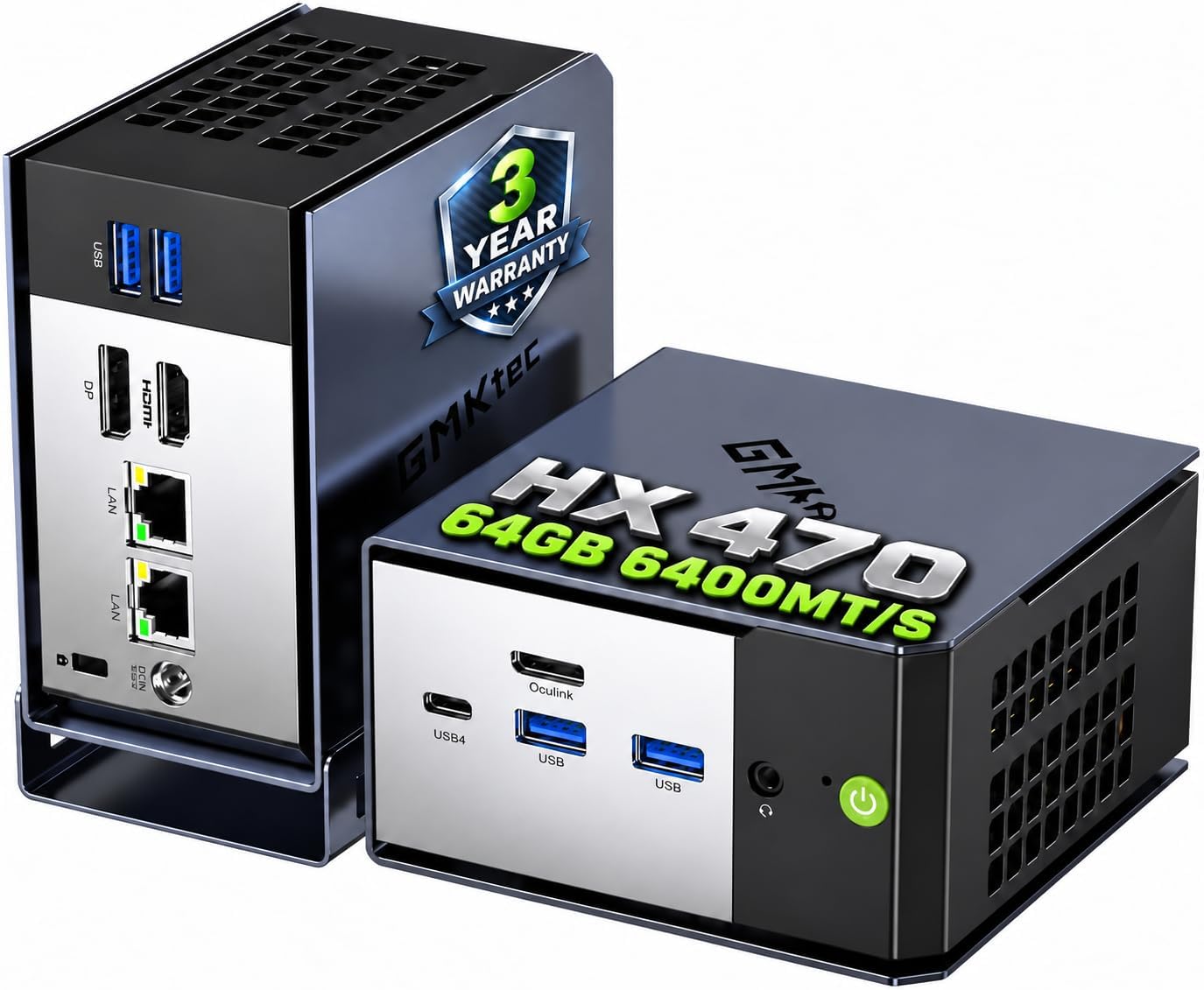
64GB onboard for 14–27B plus 4K creation.
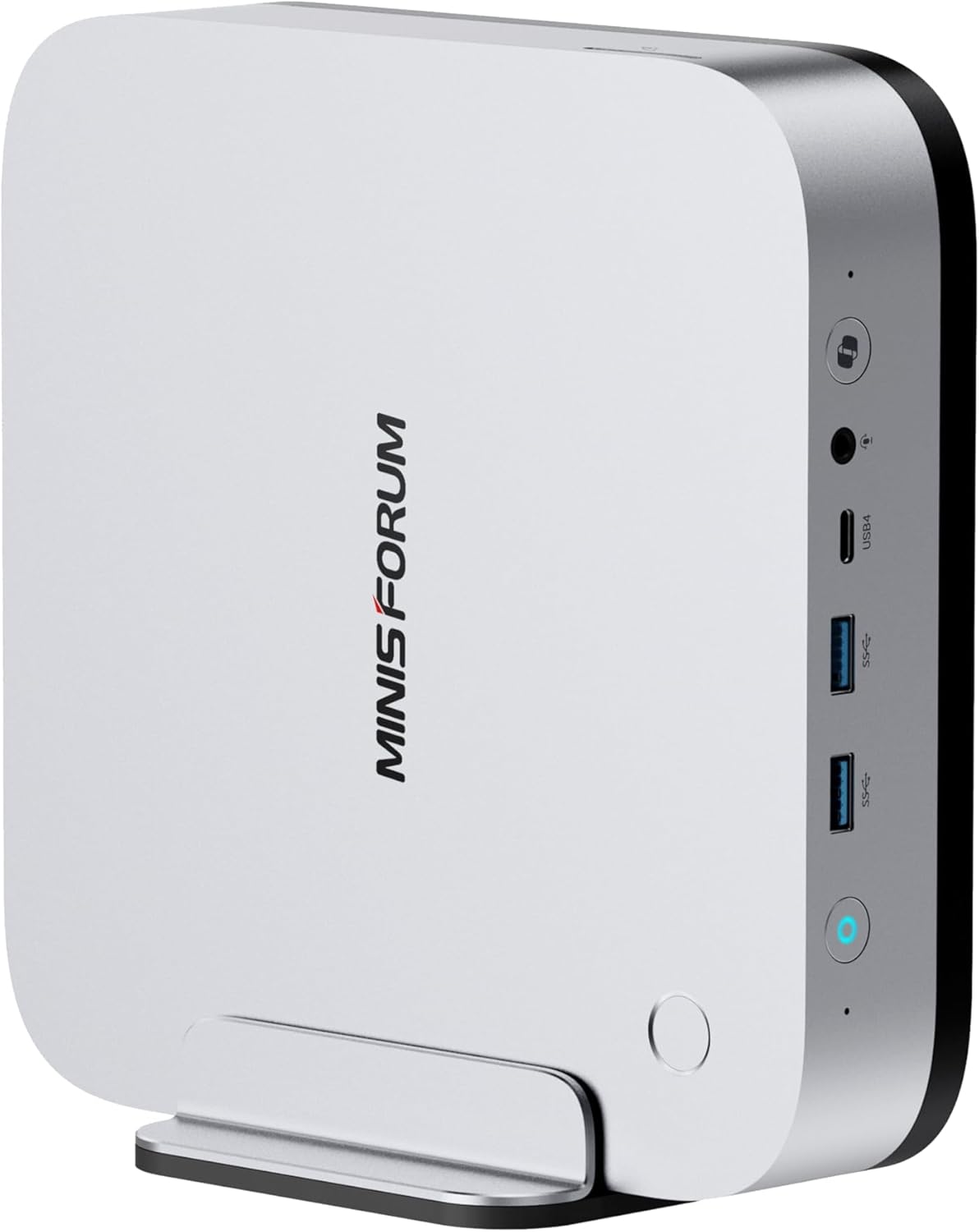
14–27B local models with a 3-drive model library.
Start from the model you want to run, not the machine. The memory chart above is the fastest filter: match your model's size to a memory tier, then pick the box in that tier whose ports and warranty fit your desk. Every card above links to the live listing, which is the source of truth for price and stock.