amd
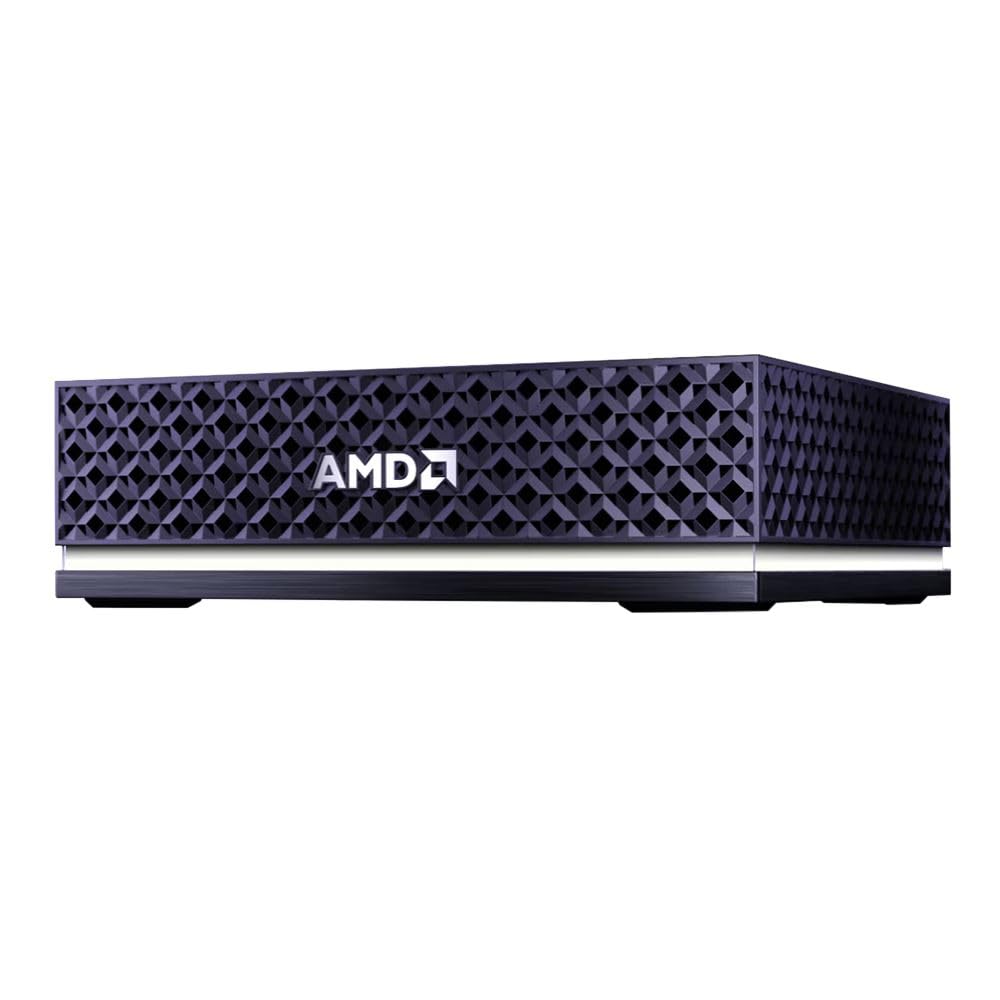
AMD Ryzen AI Halo (Ryzen AI Max+ 395, 128GB LPDDR5X / 2TB, Linux)
If you want to run large local models at home without building a tower with multiple graphics cards, this AMD machine is designed
128GB50 TOPSStrix Halo (Max+ 395)

The model, the context, and the RAM, in that order
A lot of the local-agent conversation abstracts the harness away and just says run an agent on a box, which is fine for the concept and not useful for the person who is actually going to do it. OpenClaw, which is the harness that has become the reference point for self-hosted agent stacks, is specific, and specific is a good thing, because the harness decides the machine and the machine has to be chosen backward from the harness. This article is about that backward choice: what OpenClaw actually needs to run well, what the model behind it should be, and how the RAM and the core of an AMD mini-PC have to be sized to it, in that order, because the order is where most people get it wrong.
The first thing to establish is that OpenClaw is not the model. OpenClaw is the harness, the thing that keeps a loop going, that calls tools, that manages the context, that talks to the files and the network and the user, and that sends the accumulated state to a model to ask what to do next. The model is a separate decision, and it is the one that sets the machine, because the harness is the body and the model is the brain and the body is cheap, it is the brain that is sized by the memory. That is why the sizing question is not what does OpenClaw need, which is modest, it is what does the model behind OpenClaw need, plus what the harness and its context need on top, and the answer to the second question is the one that sets the machine.
The model choice for an OpenClaw run is a specific decision, and it is different from the model choice for a chat, because the harness is sending long and structured contexts, not short chat turns. A coding or automation agent, which is what OpenClaw is for, is sending the state of a task, the tool results, the files it is looking at, the history of what it has tried, and all of that has to fit in the context window, and it is a much larger and more demanding context than a person typing questions into an assistant. That argues for a model that is both large enough to be good at the task and big in its context, and for the class of model that fits in an APU configuration, the 27B-class model at a Q4 quantization, with a context window that is set by the memory left after the weights, is the standard OpenClaw answer. The 27B is the model that is good enough at the agent work to be worth running, and that fits in the memory of a machine you would actually buy, and that is the specific reason it is the default.
Size the machine from that answer, and the order is the harness, then the model, then the context. The harness, OpenClaw and its tools and the local inference server that holds the model, needs a modest amount of working memory, and it is not the deciding number, but it is not zero, and it grows with the size of the task and the number of tools and the length of the context. The model, the 27B at Q4, needs a specific amount, and it is the largest single number in the machine, and it is fixed by the model and the quantization and does not change. The context, the room left after the weights, is the third number, and it is the one that has to be big enough for the agent work, and it is the one that grows the most, because a long task with a long history and a lot of tool results is a long context and it is the context that makes or breaks an agent run. Add the three, and the machine has to hold all of it at the same time, which is why the RAM for an OpenClaw run is not a model number, it is a harness-plus-model-plus-context number, and it is a larger number than a chat would demand, and that is the reason the OpenClaw machine lands at the high end of the APU configurations.
The core, which has to be sized after the memory, is the RDNA 3 class, and the reason it is sized after the memory is that the memory is the thing that sets the model and the context and the core only has to be fast enough to spend the memory the model needs, and at the 27B class the core is not the bottleneck, the bus is, and the bus is a property of the memory configuration, not the chip. That is the whole reason the OpenClaw machine is a high-memory APU configuration and not a fast-chip low-memory one, which is the opposite of the shape a gaming purchase would take, and it is the shape that makes the OpenClaw run good, which is a fast enough rate that the agent is not waiting on the brain, and a big enough context that the agent is not forgetting the state of the task, and a machine that is quiet and small and on long enough that the harness can run it for hours without a person in the room.
The latency question is the one that separates a workable OpenClaw run from a frustrating one, and it is a specific number and not a feeling. An agent that has to wait a long time for each step, because the model is slow, or because the context is too big for the memory and the system is swapping, is an agent that will not finish a long task in a reasonable time, and it is an agent that the person will stop using in favor of a hosted service, which is the exact failure the whole local argument is trying to avoid. The fix for the latency is not a faster core, it is the memory, it is the dual channel, it is the quantization that fits, it is the context that is not too big, and it is the machine that is not also running the thing that will fight it for the same memory. Get the memory right and the latency is a property you do not think about, which is the whole point of the machine, and get it wrong and no amount of core speed fixes it, because the bottleneck is not the compute, the bottleneck is the bus, and the bus is the memory.
So the OpenClaw hosting question has a specific answer, and it is not the abstract answer of a box with a model in it. It is a machine with an RDNA 3 core, because that is the core that spends the memory well at the 27B class, and it is a machine at the high end of the memory, because the harness and the context and the model have to be on the machine at the same time, and it is a machine configured dual channel, because the bus is the bottleneck and the channel count is the bus, and it is a machine that is small and quiet and on long, because the harness is a run, not a chat, and the run is the whole reason the machine is in the room. That is the OpenClaw machine, and it is the same APU category as the rest of this market, at the specific configuration that the harness demands, and the reason it is a separate article from a general agent-hosting one is that the harness is the thing that sets the configuration, and the configuration is the thing that sets the machine, and the OpenClaw harness is the one that has set it the most precisely.
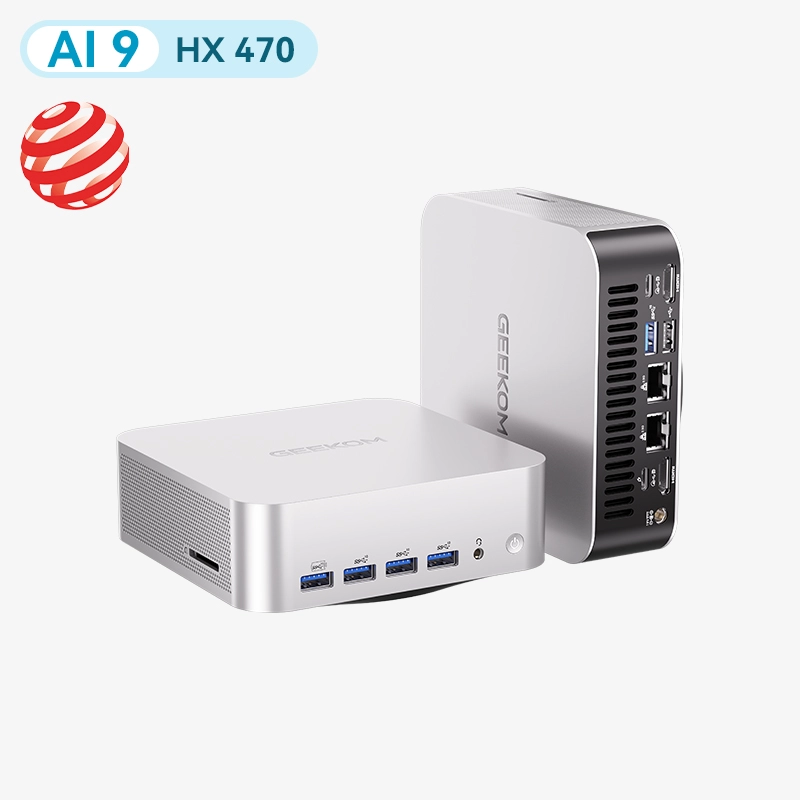
This GEEKOM desktop is the most capable machine in the A-series for people whose main work is local AI, agents, and always-on services. It pairs the Ryzen AI 9 HX 470 in twelve-core, twenty-four-thread Zen 5 form to 5.2GHz with the Radeon 890M and a 55-TOPS XDNA 2 neural processor for up to 86 platform TOPS, and the HX 370 variant steps the speed down slightly for lower-priced builds. Memory is where this tier earns its place, with two DDR5-5600 SO-DIMM slots taking a 32GB starting build to 128GB when socketed and upgradeable, so a quantized 14B model runs comfortably from day one and a 27B model fits with room for a long context after an upgrade. Storage uses one M.2 2280 plus one M.2 2230 slot for up to 8TB combined, keeping the system drive and a model library separate without external enclosures. IceBlast 3.0 cooling holds a sustained 54W profile for long inference or agent runs, and dual 2.5-gigabit Ethernet plus Wi-Fi 7 keep an always-on service reachable on wired or wireless links. Dual USB4 ports at 40 gigabits per second and dual HDMI 2.1 FRL outputs drive up to four 4K displays for a workstation setup, with an SD 4.0 reader, Bluetooth 5.4, and an included VESA mount for clean desks. Windows 11 Pro ships preinstalled, and the box also works as a Linux host for native AI tooling, retrieval over local files, batch OCR, transcription, vision checks, and scheduled agents. Within GEEKOM's lineup the A7 leans toward creators, the A8 toward general work, and this model toward AI, so buyers without an NPU need can save money, while buyers who want the newest silicon and highest memory ceiling have found the right tier.
If you want to run large local models at home without building a tower with multiple graphics cards, this AMD machine is designed
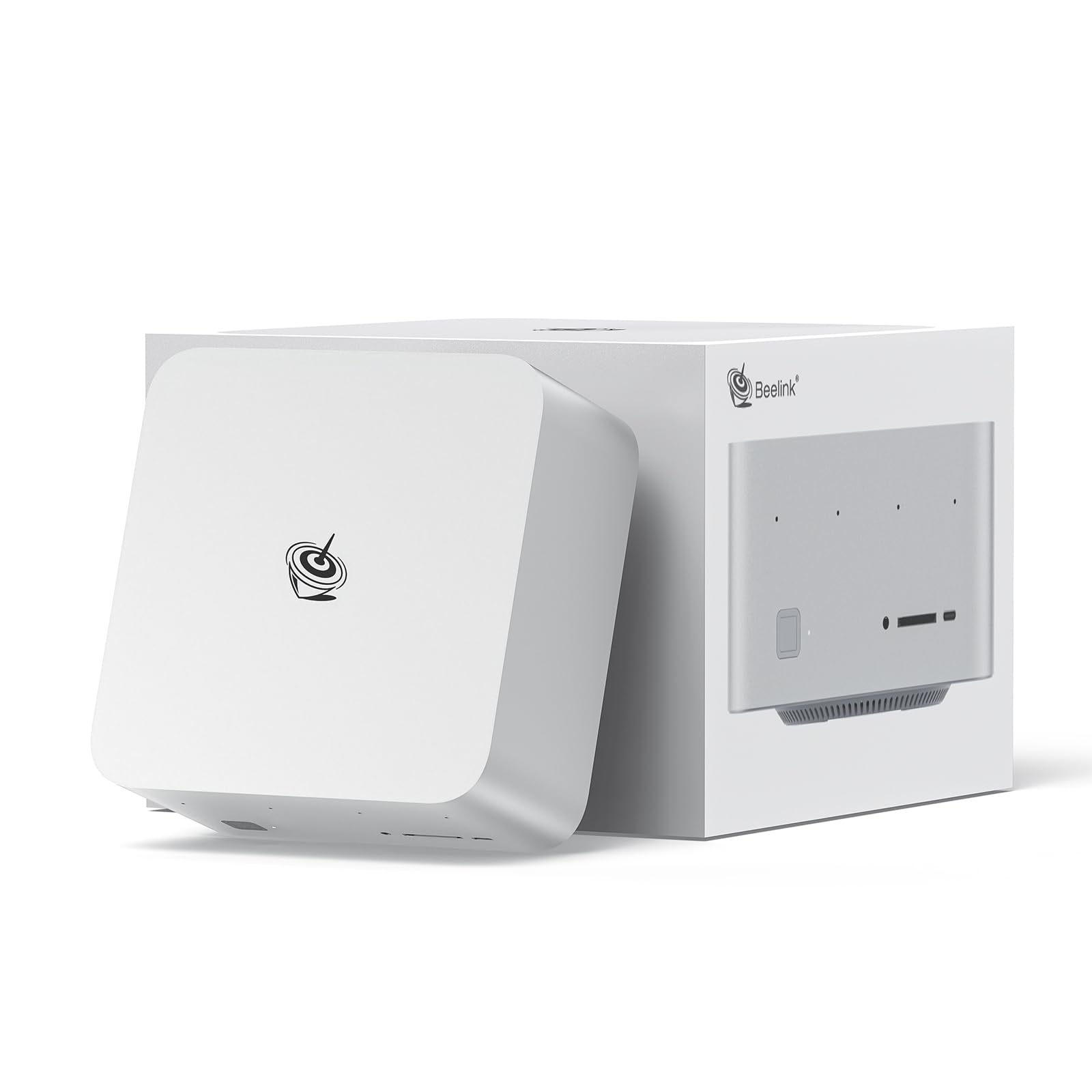
This Beelink desktop targets home labs and small teams that want 70B-class local inference in a compact chassis without assembling
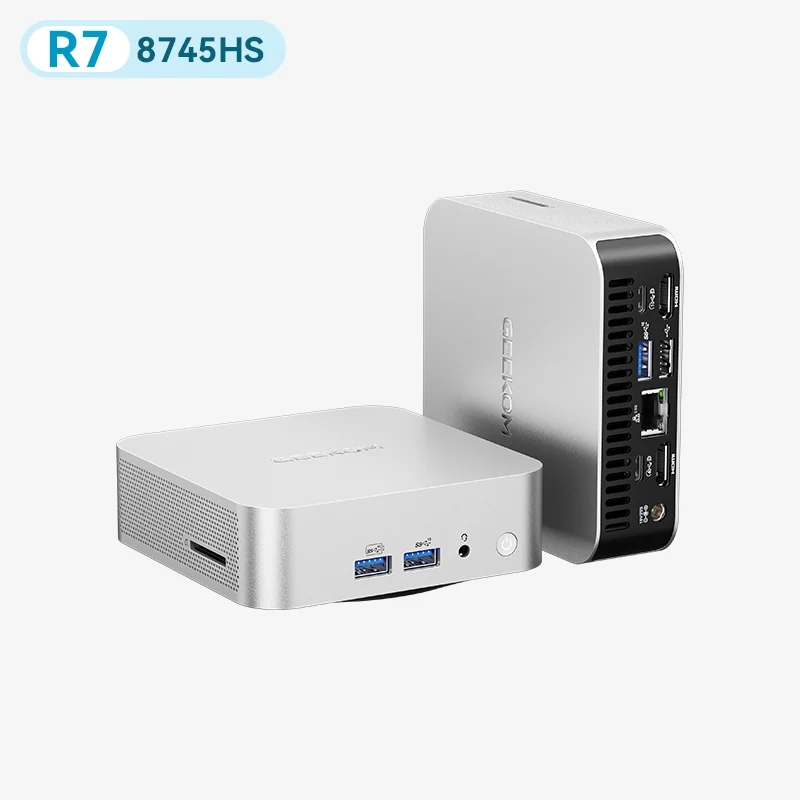
This GEEKOM mini PC is positioned as a general workstation for people whose day involves code builds, design files, 4K exports, an