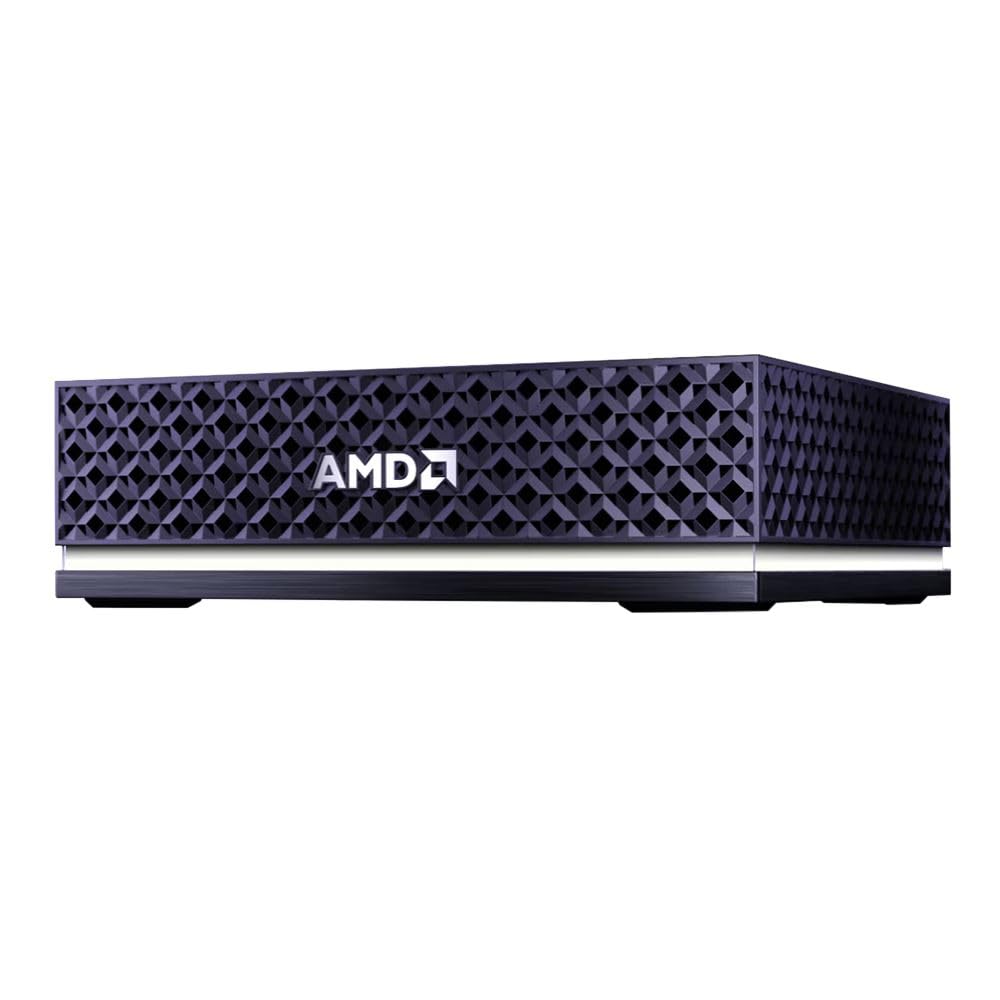
amd
AMD Ryzen AI Halo (Ryzen AI Max+ 395, 128GB LPDDR5X / 2TB, Linux)
Ladder top: up to 200B-parameter models on 128GB unified.
128GB50 TOPSStrix Halo (Max+ 395)

27B, 32B, 70B: model size is a memory problem. These are the machines with the memory pool to hold the big weights — 128GB unified at the top, 64GB as the working threshold.
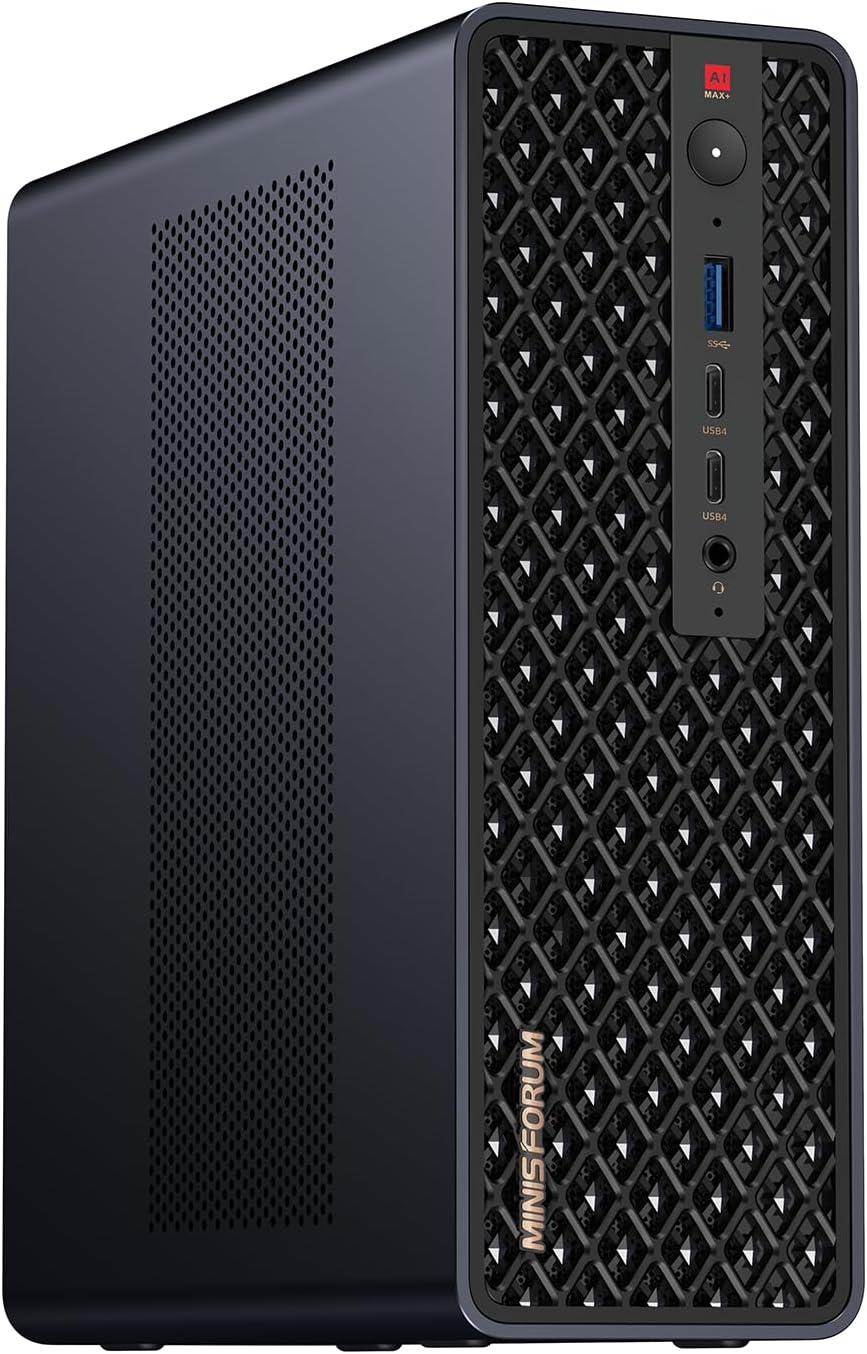
For anyone who has hit the VRAM wall: researchers, model tinkerers, and teams serving 27B+ models locally. Strix Halo (Max+ 395) first, then the 64GB HX 470/HX 370 class.
This MINISFORUM workstation is built for buyers who have outgrown the mini-PC tier, in a larger rackable chassis with a built-in 320W supply and slide-out tool-less access near 3.8 liters. The Ryzen AI Max+ 395 provides sixteen Zen 5 cores and thirty-two threads to 5.1GHz with 64MB of L3 cache, the Radeon 8060S handles inference, and a 50-TOPS neural processor brings combined output to 126 TOPS. The 128GB of LPDDR5X-8000 unified memory is shared between CPU and graphics with up to 96GB assignable so 30B to 70B models run at working context, image generation runs on device, and larger models can be served across clustered units for multi-model or retrieval workloads. That removes the VRAM wall that caps many discrete-card boxes at far smaller figures, which matters for private inference, batch OCR, transcription, and vision pipelines without a cloud round trip. Storage is dual M.2 2280 PCIe 4.0 x4 to 16TB in RAID 0 or 1 with 2TB pre-installed, and dual 10-gigabit Ethernet supports NAS, firewall, and link-aggregation roles beyond the 2.5-gigabit standard in smaller boxes. USB4 V2 at 80 gigabits per second plus two 40-gigabit USB4 ports, HDMI 2.1 to 8K and 60Hz, a full-length PCIe x16 slot, Wi-Fi 7, Bluetooth 5.4, and dual noise-cancelling microphones round out workstation input and output. Four switchable modes across performance, balanced, silent, and rack settings plus a reserved cluster power-on interface make it a 2U rack deployment option. The 130W sustained draw means higher power and heat than the mini-PC tier and the memory is fixed at purchase, so allow airflow and confirm the live listing before ordering. For shared rooms, keep the machine in a rack or cabinet where the 320W supply has clear ventilation during long runs.
Every machine below fits this situation. Each card shows the specs that matter here, plus the current Amazon price.
Ladder top: up to 200B-parameter models on 128GB unified.
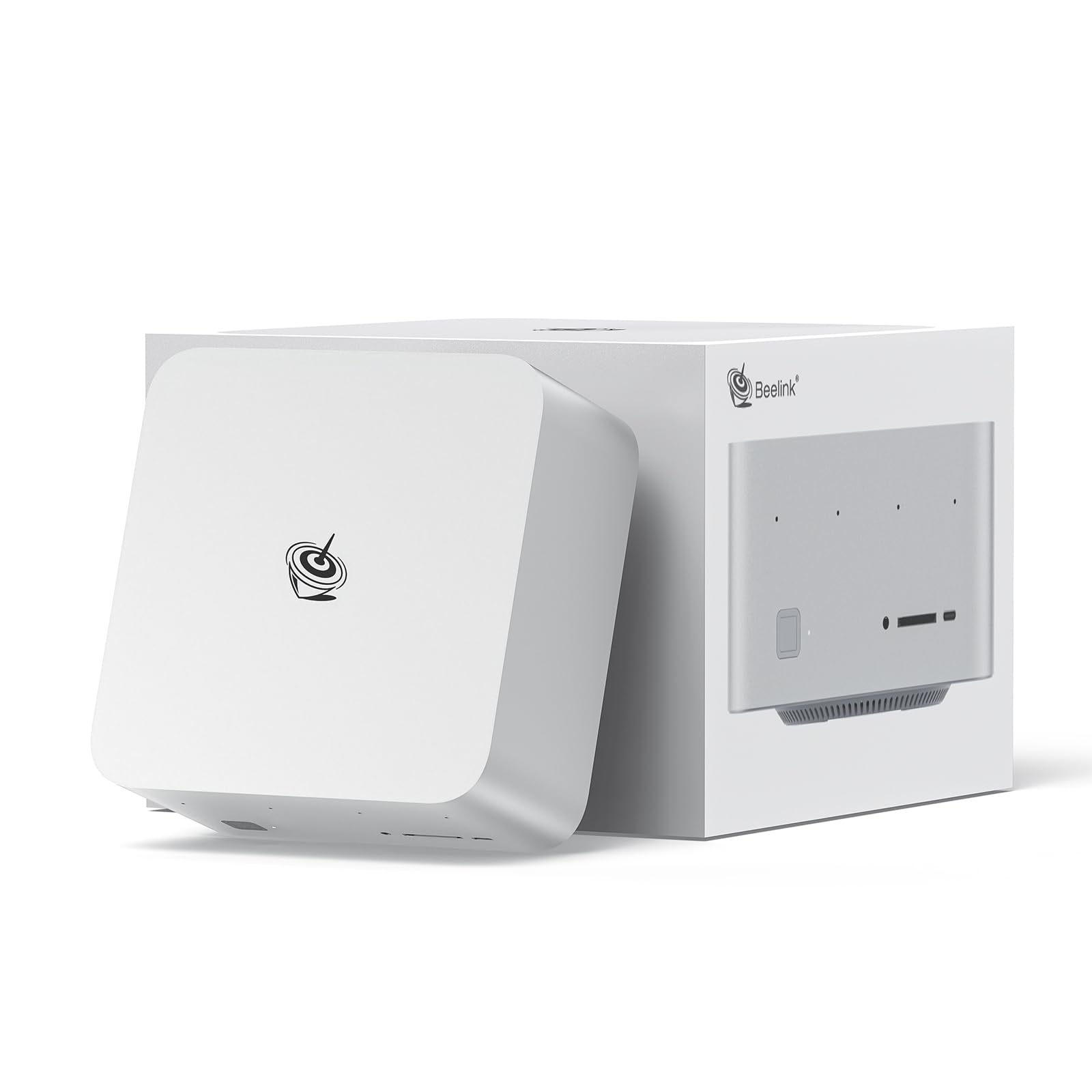
70B-class plus multi-node clustering on 128GB.
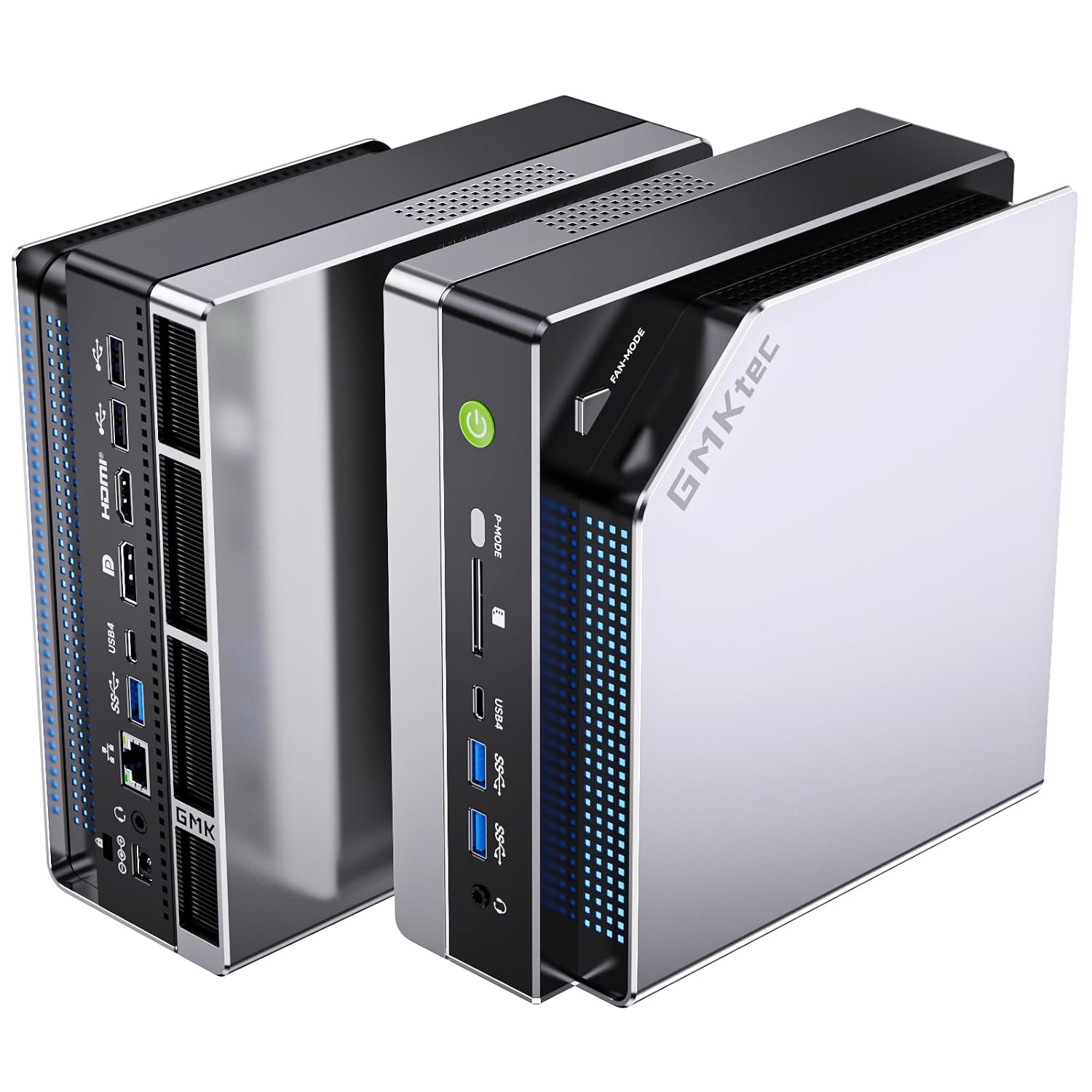
Compact Strix Halo: same 128GB pool, no rack needed.
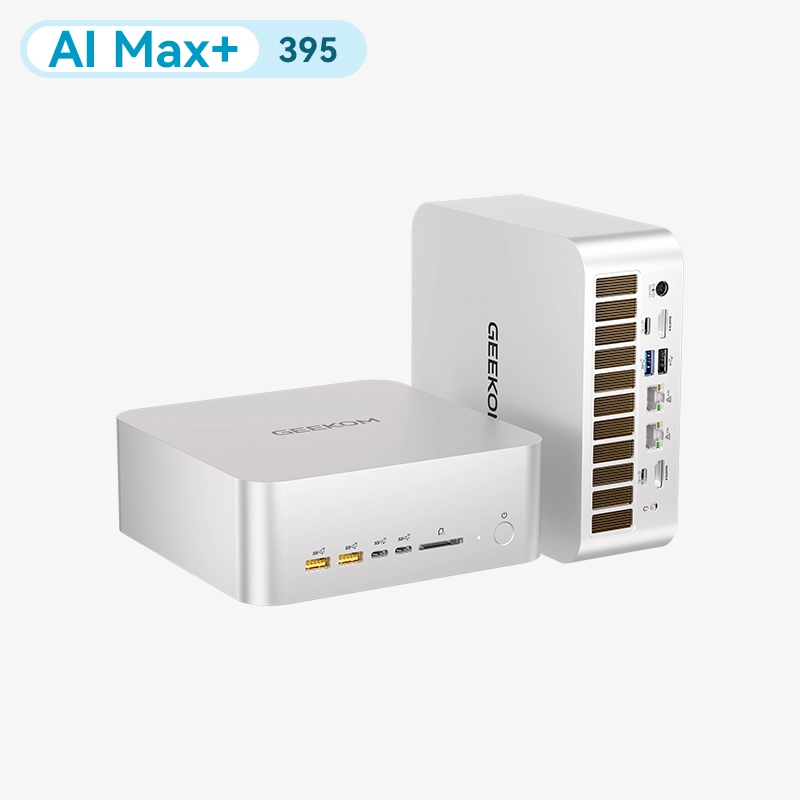
128GB unified for 30B–70B and image generation.
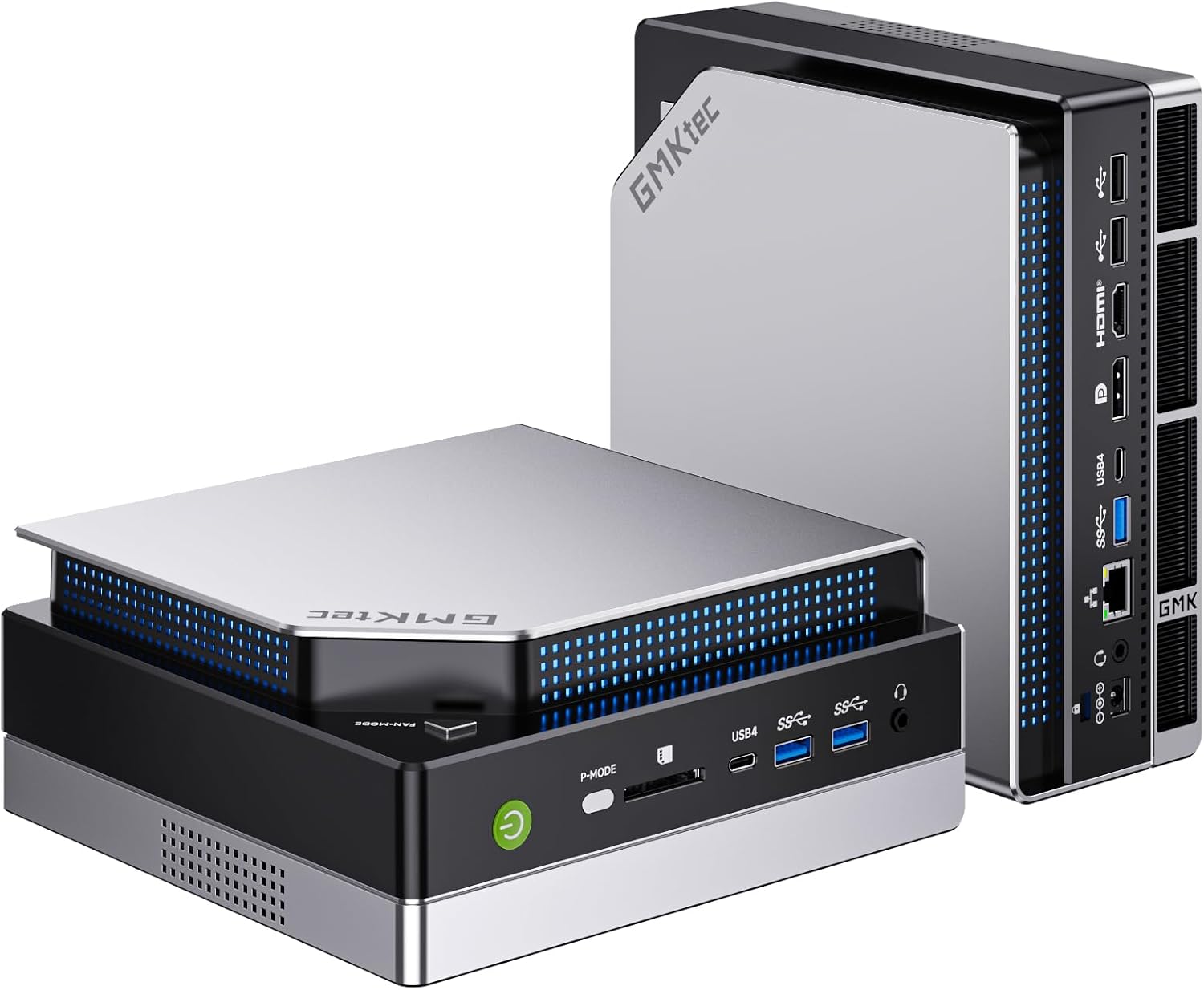
Value Strix Halo: 14–27B plus 32B Q4 on 64GB.
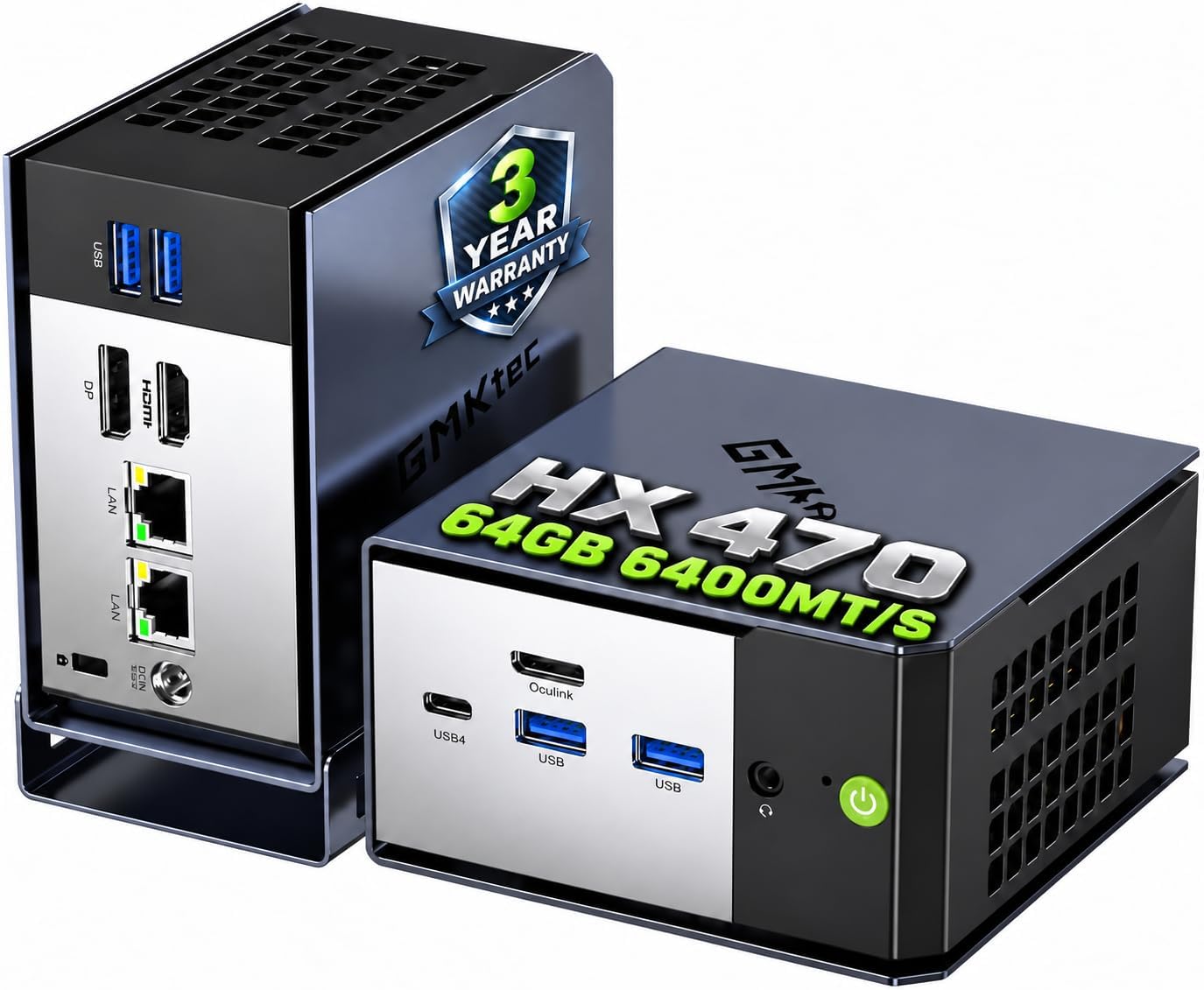
64GB onboard HX 470 for 14–27B with headroom.
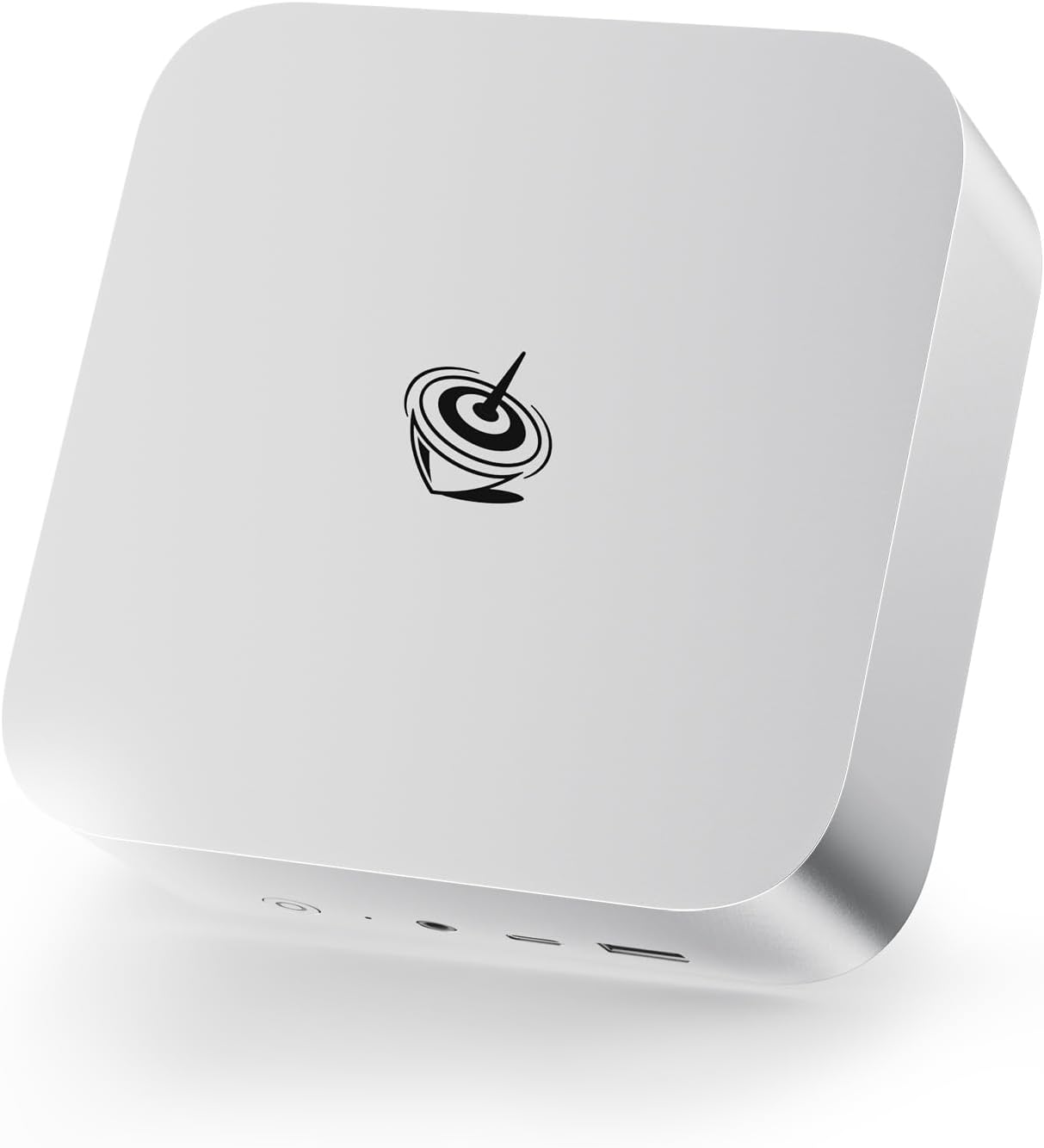
64GB pre-installed for 27B models.
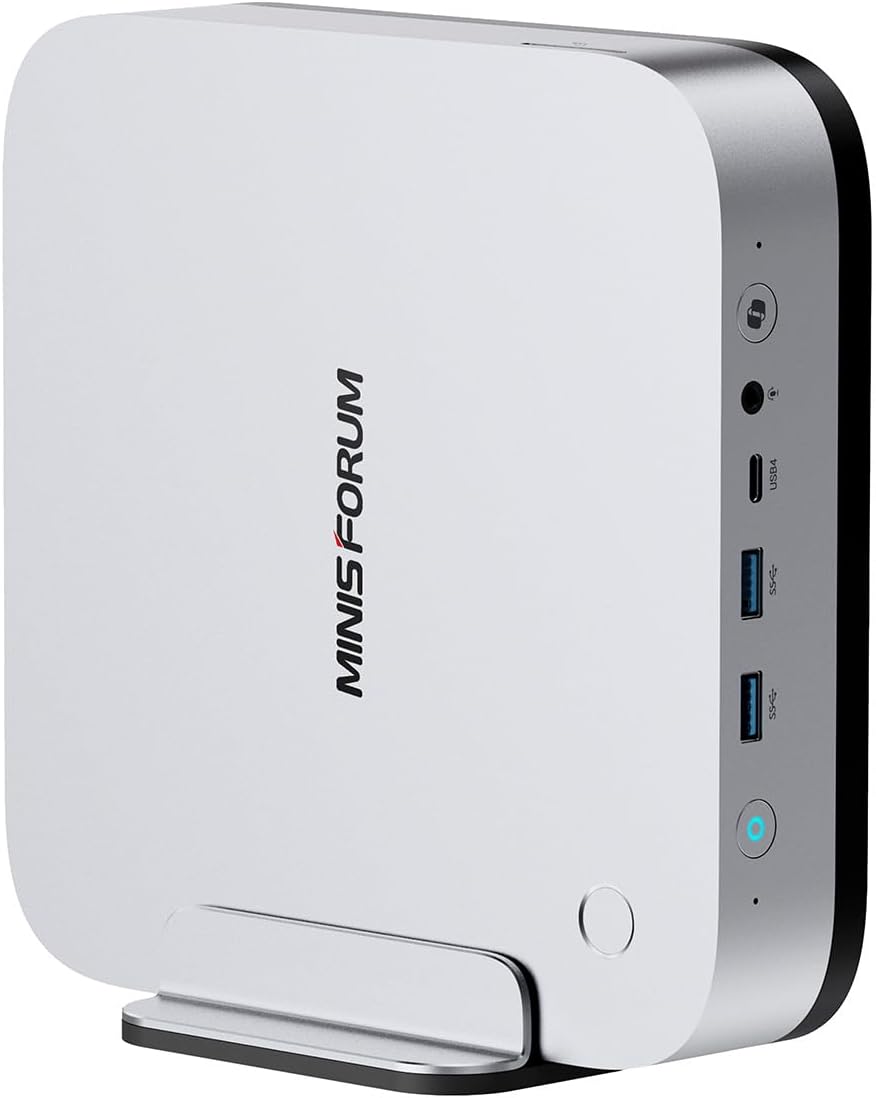
64GB socketed HX 370, 96GB headroom.
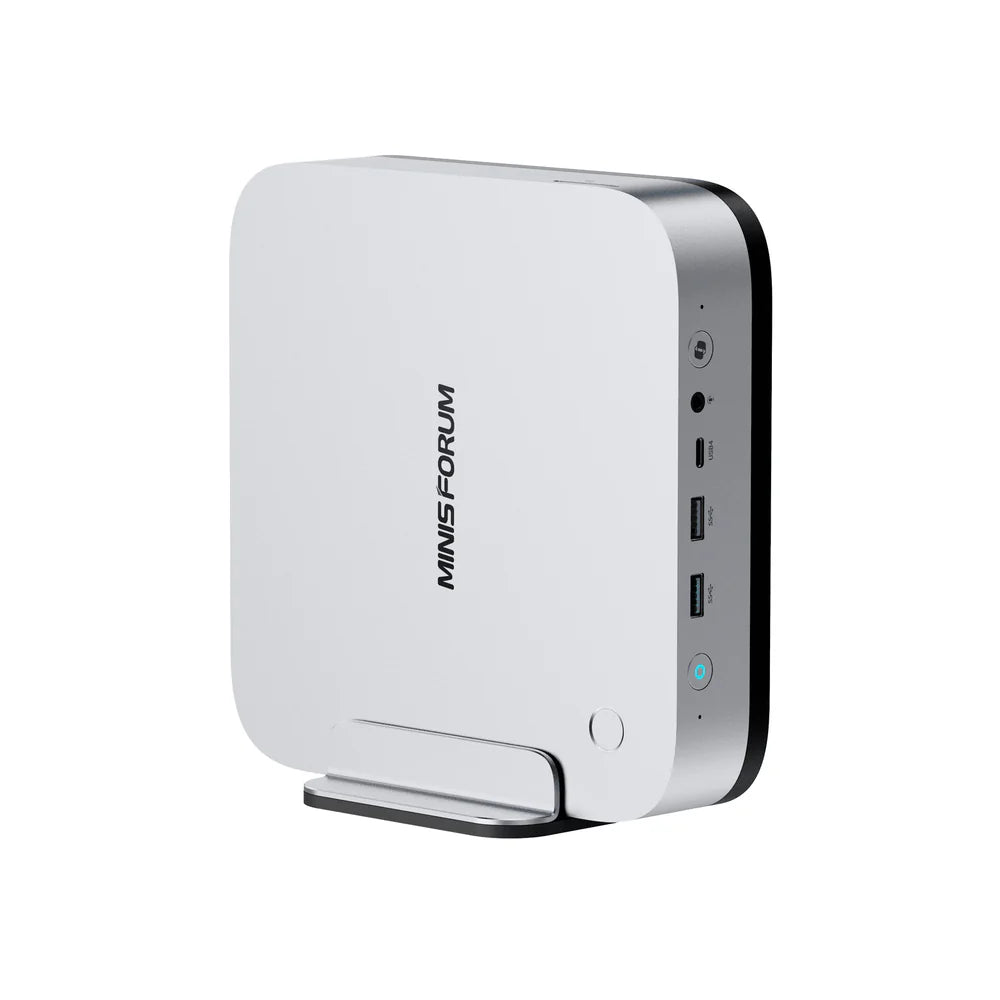
96GB/2TB socketed config, listed direct from the brand.
Start from the model you want to run, not the machine. The memory chart above is the fastest filter: match your model's size to a memory tier, then pick the box in that tier whose ports and warranty fit your desk. Every card above links to the live listing, which is the source of truth for price and stock.